Public health dentistry ‘about much more than teeth’
Rachel Whisler '23 MPH-PEP aims to improve dental care access for Ohioans
By Mackenzi Buynak and Kristen Mitchell
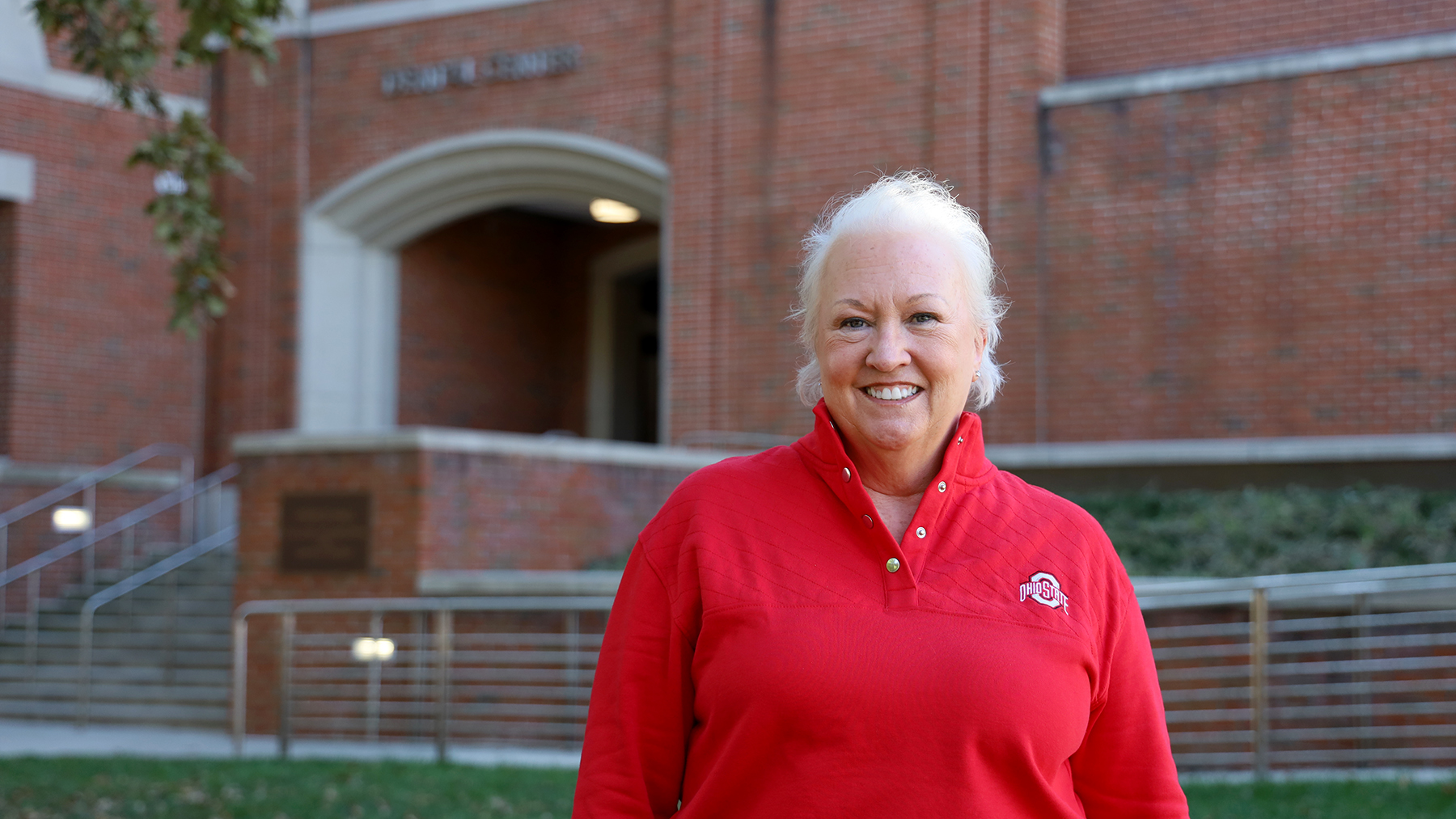
Oral care is often missing from conversations about health equity, but a healthy smile is closely tied to a health, confidence and quality of life, said Rachel Whisler '23 MPH-PEP, program manager of the Division of Public Health Dentistry at the College of Dentistry.
Whisler leads College of Dentistry initiatives that support community-based dental care throughout Ohio and encourages students to build careers in underserved communities. Earlier this year, she received a Distinguished Staff Award — Ohio State’s highest honor for staff.
Whisler shared her passion for public health dentistry and how the online Master of Public Health Program for Experienced Professionals reframed how she thinks about her work.
Question:
What sparked your passion for public health dentistry?
I have always worked in health and human services, so the concept of service learning resonated with me. When I began my position at The Ohio State University College of Dentistry in 2003, I had little understanding of the tremendous unmet need for oral health care, particularly among underserved populations.
As I became more involved in the work, I began to see how profoundly oral health affects a person's overall health, dignity and quality of life. I realized that public health dentistry was about much more than teeth. It was about people, opportunity and removing barriers to healthier lives.
Question:
You’ve worked to make dental care more accessible to Ohioans. Why is that important to you?
My commitment to improving access to dental care is deeply personal. As a child, I needed both dental and orthodontic care, and I was fortunate to have dentists who made me feel valued and cared for as a person.
A healthy smile is about so much more than appearance. It affects how we feel about ourselves, how we interact with others, and our overall health and well-being. I believe everyone deserves access to that same care, compassion and opportunity, regardless of their circumstances.
Question:
Is there anything about public health dentistry that you wish more people understood?
Access to dental care is not something everyone can take for granted. In a city like Columbus, finding a dentist is as simple as picking up the phone and scheduling an appointment. However, in many rural Ohio communities, dentists are scarce, and some areas have no local dental provider at all. Even where dentists are available, individuals who rely on Medicaid often struggle to find a practice that accepts their insurance.
Question:
Why did you decide to pursue a Master of Public Health degree?
After nearly 20 years working in public health dentistry, I developed a deep passion for the work and the programs we had built. I particularly valued creating opportunities for dental students to experience different practice settings, work with diverse populations and make informed decisions about their future careers.
I had gained considerable practical knowledge through those experiences, but I wanted to strengthen that foundation with formal public health education. Pursuing a Master of Public Health degree was an opportunity to bring academic knowledge together with years of hands-on experience.
Question:
What did you enjoy most about being an MPH student?
I genuinely loved being an MPH-PEP student. The program expanded my understanding of public health by encouraging me to look at challenges through different lenses and consider perspectives I had not previously explored. I especially enjoyed the case studies, program management coursework, and learning how public health approaches must adapt to the needs of different communities.
One of the most rewarding aspects was learning alongside classmates from a wide variety of professional and personal backgrounds. Their experiences brought fresh perspectives to our discussions and challenged me to think differently.
Question:
How did your experience in the CPH program change how you thought about your work?
My experience at the College of Public Health helped me recognize the importance of leadership at every level. I came to understand that we need everyday leaders who are willing to sit at the table with other health professionals and organizations to ensure that oral health is recognized as an essential part of comprehensive patient care.
The MPH program helped me see my work through a broader lens and recognize that my role extends beyond managing programs. It also involves building partnerships, contributing to important conversations and advocating for oral health as part of public health.