How toxic exposures shape health after headlines fade
Arbor Quist tackles environmental inequalities through community partnerships
By Kristen Mitchell
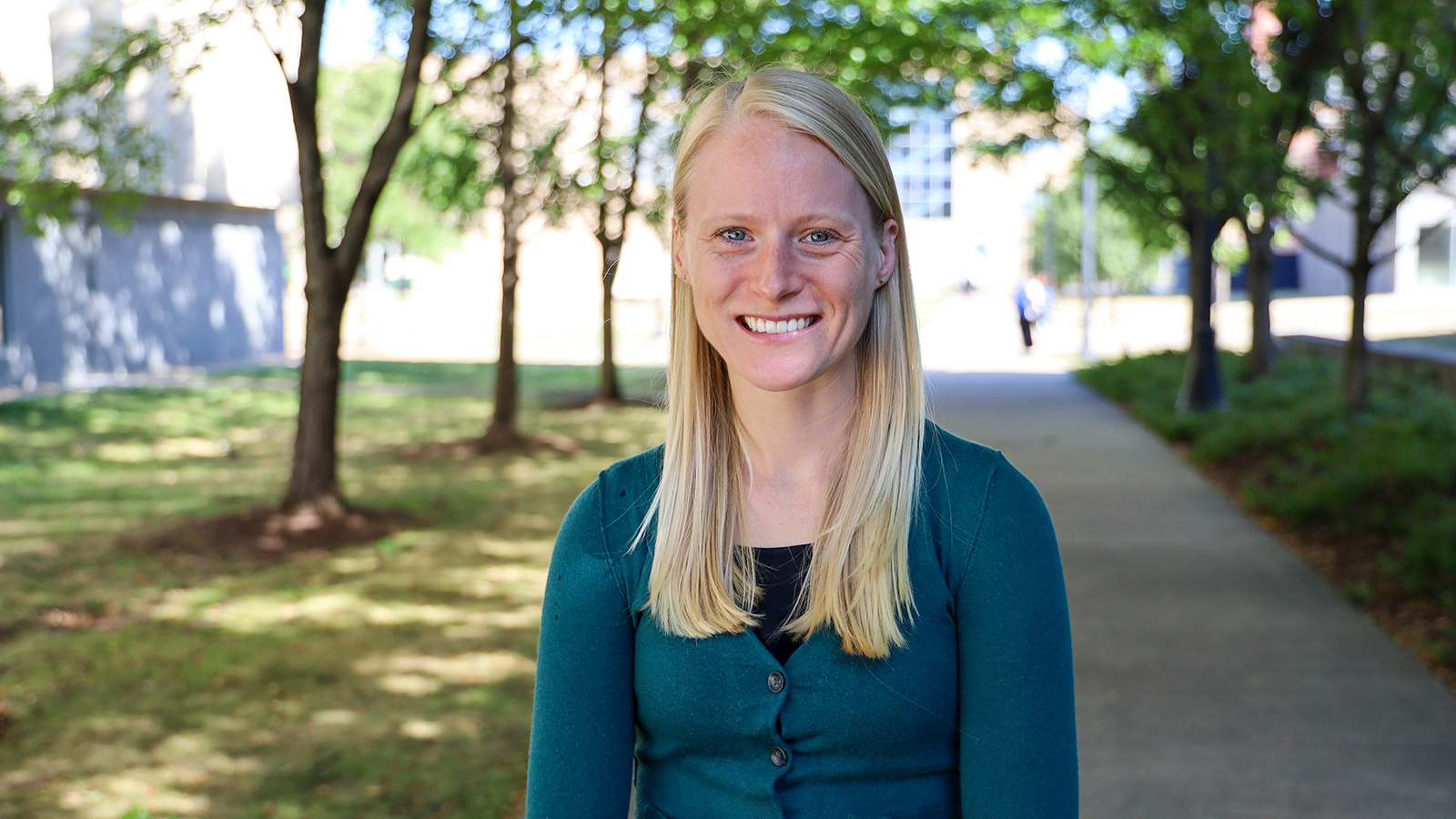
Assistant Professor Arbor Quist discovered her path in public health research by listening to the powerful stories of communities disproportionately burdened by industrial pollution. Now a faculty member in the College of Public Health, she investigates how floods, oil spills and chemical exposures leave lasting imprints on health.
Quist reflects on how community engagement shapes her work, the pilot project uncovering answers for Ohioans and her advice for CPH students.
Question:
You are an environmental epidemiologist. What does that mean?
As an environmental epidemiologist, I study how environmental exposures affect health outcomes at the population level. I examine the impacts of industrial pollution and environmental disasters and try to find ways to mitigate the adverse health outcomes.
Question:
What inspired you to pursue a career in public health?
As an undergraduate student, I fell in love with the research process. I loved the idea of starting with a question and creatively designing a study to answer it. I wanted to conduct research on topics that were applied and meaningful. I became really interested in environmental justice research by talking with residents and community leaders who were disproportionately burdened by industrial pollution. The stories were powerful, and I was drawn to the environmental and epidemiological methods that seemed helpful in answering residents’ concerns.
Many communities are exposed to multiple pollutants through multiple pathways simultaneously, which makes analyses complex. Community-engaged environmental justice research felt like a natural fit for both my methodological interests and my desire to do meaningful research.
Question:
Your research examines at how environmental disasters harm people in unpredictable and lasting ways. Why is it important to look at the long-term effects of these events?
Disasters often make headlines only in their immediate aftermath, but the health effects can last for years. Chronic diseases and mental health conditions don’t usually manifest immediately. They develop over time.
Rigorous epidemiological research allows us to more fully understand the burden of these events. Survivors of environmental disasters deserve answers and action. Robust research can help bring attention and resources to affected populations, hold negligent actors accountable and help us better understand how to reduce the health effects of future disasters.
Question:
How are community partnerships critical to your work?
My work is most meaningful when it starts with community engagement. Community members are the real experts. They know their neighborhoods intimately, have observed changes over time and often identify important questions. I try to build partnerships where community members help shape the research questions and process. I seek to offer useful resources, create accessible infographics of our findings and ensure participants and community partners have a clear understanding of the study results. From there, my partners often lead the work translating our research into advocacy or policy action. When I collaborate closely with community partners, the work is more relevant and more impactful.
Question:
What’s one thing you’re currently working on that excites you?
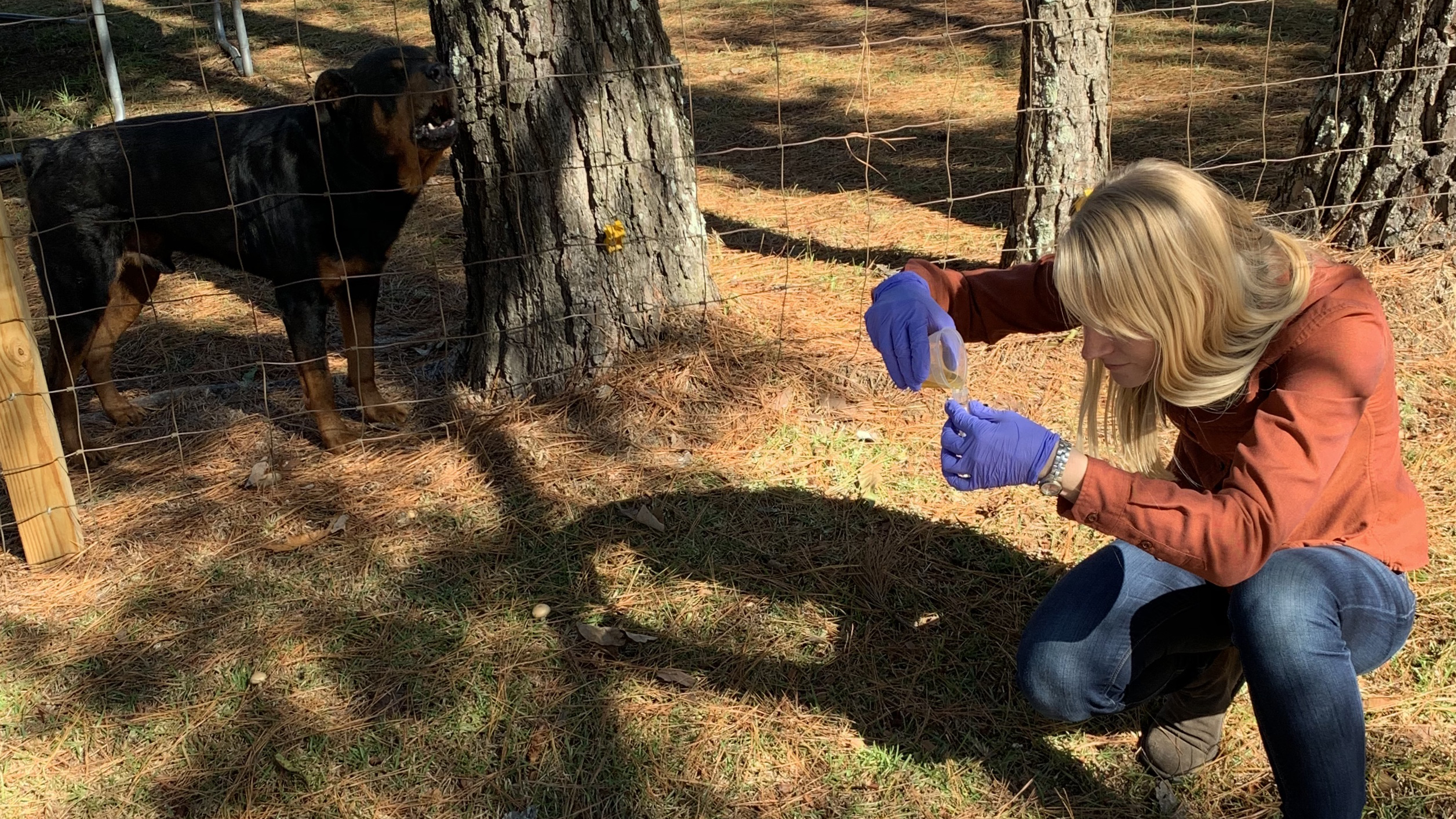
I recently received pilot funding to study whether road spreading of oilfield brine in Ohio affects exposures and health outcomes of nearby residents. Oilfield brine is wastewater from oil and gas extraction, and it can contain heavy metals and radioactive materials like radium.
I am working alongside community partners to collect soil samples and baby teeth to assess whether spreading oilfield brine on roads to suppress dust or eliminate ice increases harmful exposures among residents near treated roads. This is a question that communities have been asking for years, and I’m excited to work with them toward some answers.
Question:
What is your advice for students trying to identify their career interests in public health?
Dive into different projects! It can be difficult to discover your passions just by reading. Seek out research opportunities across different areas, even if they seem outside your current focus. Schedule informal informational meetings with people doing work you find interesting. Don’t feel pressured to follow a linear path. Public health is broad and benefits from people with different backgrounds and different experiences.