Remembering Connor Taylor ’15 BSPH, and rethinking colorectal cancer risk
Growing rates among young adults prompt calls for early screening
By Amelia Stroud and Kristen Mitchell
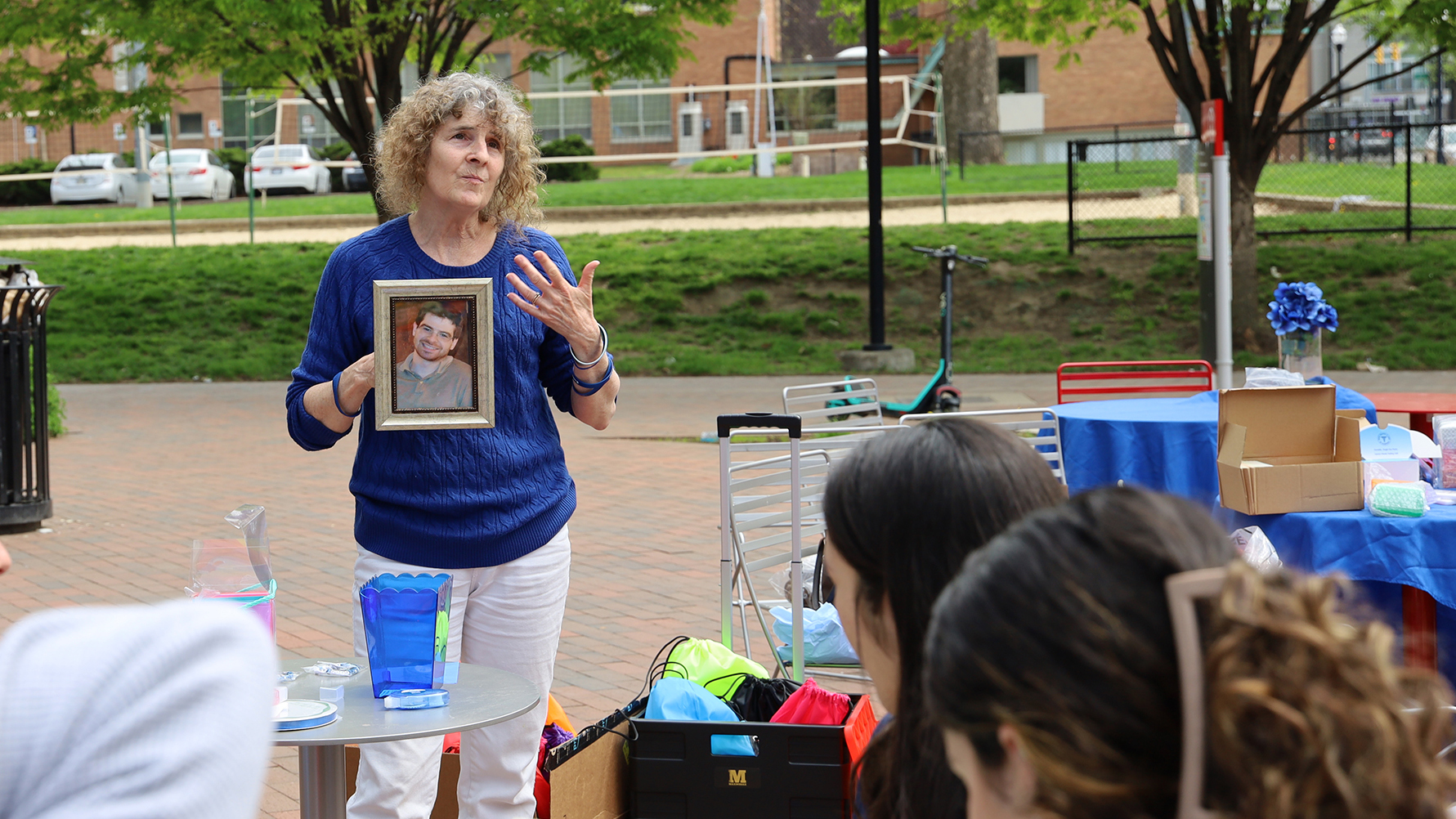
After a misdiagnosis and precious time for treatment lost, Connor Taylor and his family received the news he had advanced colorectal cancer in 2016. Taylor, who graduated from the College of Public Health with his BSPH in 2015, died five months later.
Taylor, who had a deep passion for making a difference in the world and had planned to continue his education in public health, is one of an increasing number of young adults diagnosed with colorectal cancer. It is the leading cause of cancer deaths for people under 50, according to research published earlier this year. These findings are alarming medical experts, researchers and public health advocates eager to spread awareness of the risk factors, warning signs and importance of early detection.
This spring, student group Buckeyes for Public Health hosted “Blue for a Cure” in partnership with Taylor’s mom, Carleen Taylor, to raise awareness about the disease, especially among young people. Students heard from speakers who shared warning signs of colorectal cancer and urged them to advocate for their health. They also assembled care packages for Columbus patients receiving treatment and raised funds to support local clinics.
“We wanted to create an event where people could not only listen to speakers inform them about colorectal cancer but also have an impact on people who are being treated currently,” said Devanshi Patel ‘26 BSPH, former president of Buckeyes for Public Health.
Patel’s passion for cancer awareness started while she was working in a research lab focused on prevention and early detection of gastrointestinal cancers. She hopes Blue for a Cure, held for the first time in 2025, becomes a legacy event for the student organization.
“We want to build a community of educated people,” she said. “The more you can share about it the better.”
Fighting for a better future
The recommended screening age for colorectal cancer was lowered from 50 to 45 in 2021, but Assistant Professor Aldenise Ewing said it can be a challenge to get younger people in for routine testing. Between busy careers, family caregiving and a perception that healthy people don’t need to worry about serious illness, staying on top of routine care can take a backseat.
“Colon cancer is one we refer to as preventable, treatable and beatable,” she said. “We start screening earlier because it means if we detect it earlier, we can prevent mortality from these cancers.”
No matter how healthy you are, screening starting at 45 is important and can be life-saving, Ewing said.
Ewing’s research is focused on promoting digital cancer screening information among adults aged 45-49. She is currently looking at how chatbots and AI can move patients from thinking about screening to taking an action such as talking to their doctor or scheduling an appointment, work she received a college seed grant to explore.
The lowered screening age is a start, but it wouldn’t have helped her son or her best friend, Peggy, who was diagnosed with colorectal cancer at 42, Carleen Taylor said.
Greater awareness and more research funding is needed to save lives of people of all ages, she said.
Carleen Taylor has been planning central Ohio’s annual “Race for Hope Derriere Dash” for more than 20 years, since Peggy’s diagnosis, and when Connor was diagnosed her advocacy took on new meaning.
Carleen Taylor said she honors his memory by crisscrossing the country to attend conferences and speak with providers. She urges them to consider the possibility of early-onset colorectal cancer when they are treating young patients who don't fall into known high-risk groups or have a family history of colon cancer.
“All of us that are affected like this, part of our advocacy involves sharing our loved ones’ stories so that they can make a difference,” she said. “If their stories make it to the right person, then change can happen.”