LGBTQ+ health data could help shape Ohio's public health future
First-of-its-kind study builds foundation for policies, programs, investment
By Kristen Mitchell
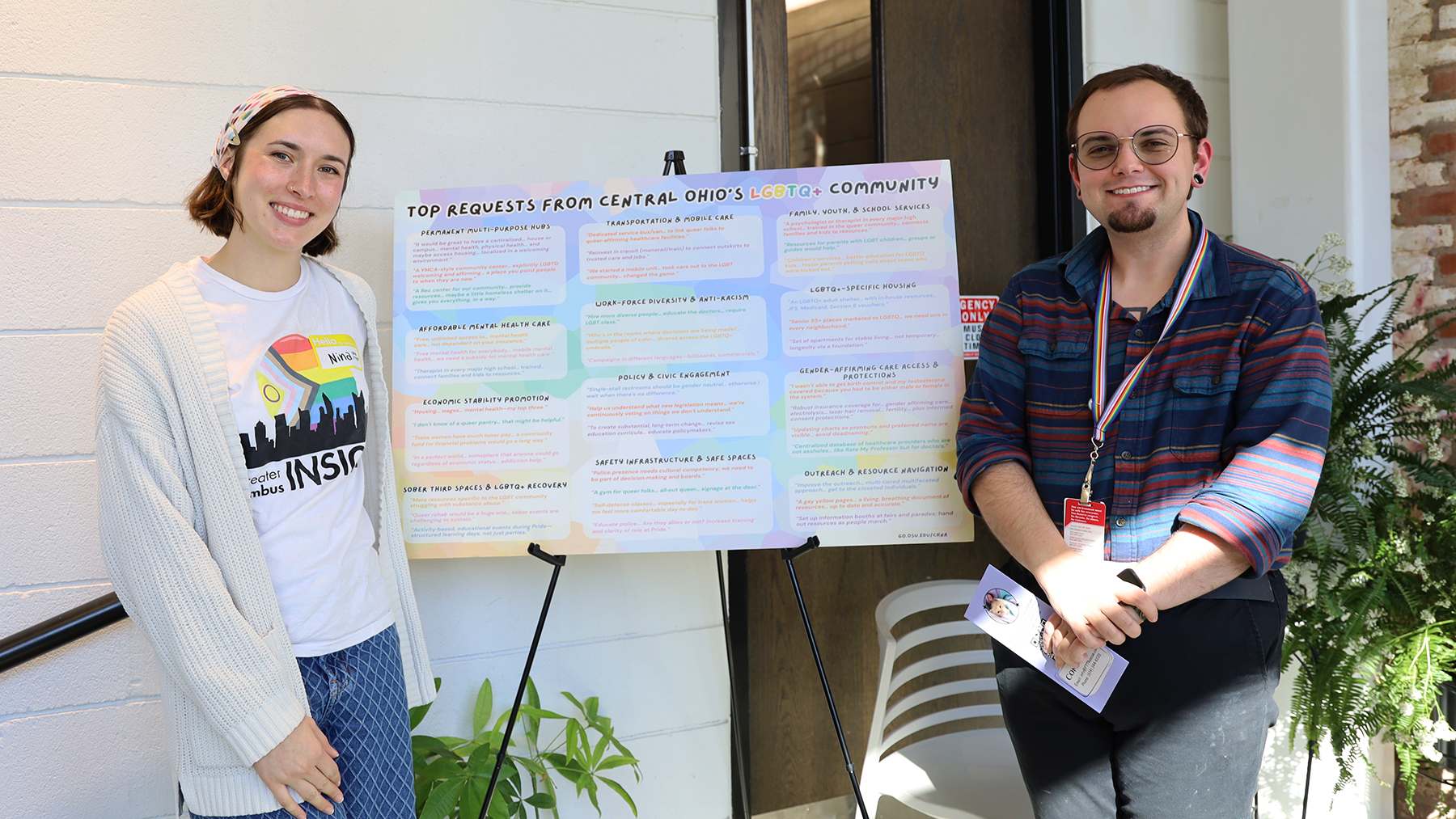
Central Ohio is home to the state's largest LGBTQ+ population. Yet until now, no research has focused on broadly understanding the community's health needs and experiences.
After collecting information from more than 1,000 LGBTQ+ adults in Columbus and surrounding counties, the Greater Columbus INSIGHT team led by College of Public Health researchers Joanne Patterson and JaNelle Ricks is preparing to share their findings.
Their study could transform local public health programs, policies and funding decisions for years to come.
“We’re giving people and institutions what they need to make evidence-informed decisions,” said Patterson, an assistant professor.
Data on gender identity and sexual orientation can help identify health risks and gaps in care among LGBTQ+ people. Related questions have been removed from federal surveys and data-collection efforts in recent years. Data once publicly available has also been removed from federal sources.
Without this information, communities may not get the attention or support they need, the researchers said.
“The biggest harm that can happen from not having data is erasure,” said Ricks, an associate professor.
Foundation for change
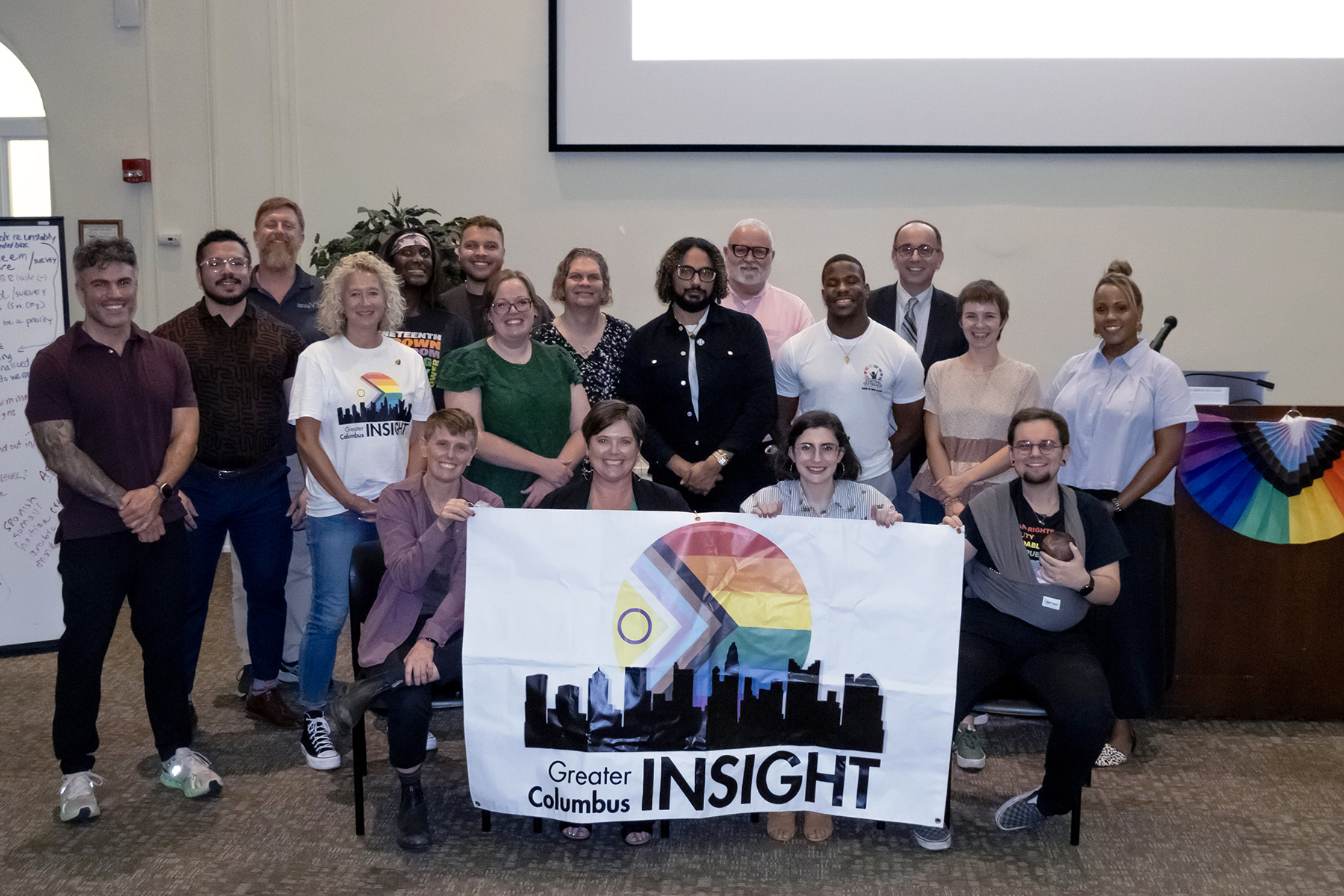
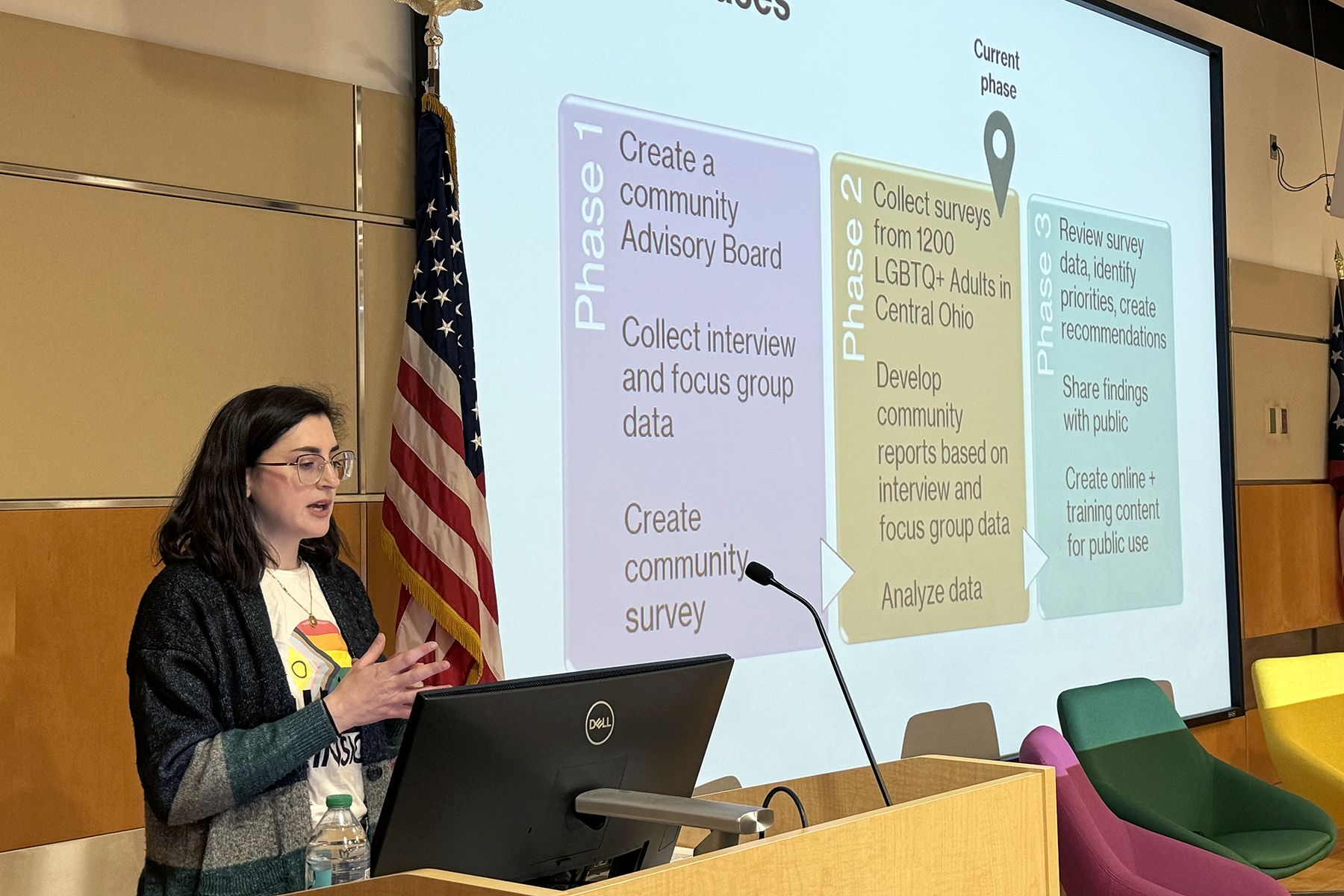
To develop their community health needs assessment, the Ohio State team partnered with scientists from Columbus Public Health, Franklin County Public Health and a community advisory board that represents residents and stakeholder groups.
The team used insights from interviews, listening sessions and focus groups to develop a survey with more than 150 questions covering physical, mental and spiritual health. Participants were asked about access to housing, food and healthcare, along with health behaviors such as substance use and exercise, experiences with intimate partner violence and other aspects of well-being.
A full report is expected by June 2027. In the meantime, the team will begin sharing data on topics such as mental health and sexual health in the coming months. The team is also planning a series of “data walk” installations at community events to share the findings.
Study results will also be included in Columbus Public Health’s community health assessment and Franklin County Public Health’s health improvement plan. The documents chart a course for local public health priorities and funding, Patterson said.
"They are reports that will convey meaningful data to local governments…policy recommendations around LGBTQ+ health and wellness will be informed by our research,” she said.
This study was honored as one of Ohio State’s 2026 Programs of Excellence in Engaged Scholarship.
Building connection
Jimmy Nash ’22 MPH, a member of the Greater Columbus INSIGHT community advisory board, welcomed the opportunity to contribute to this study. As an MPH student researcher, he worked with Ricks, which fueled his passion for LGBTQ+ sexual health.
“It’s easy to enter a community space and want to do a needs assessment, want to kind of understand what's going on, without really including organizations and community leaders who are already involved within this work,” he said. “I have to give props to them for designing this project in a way that is impactful but also inclusive for the community.”
Nash, clinic manager at Central Outreach Wellness Center in downtown Columbus, said the project connected him with others working to improve LGBTQ+ health in central Ohio and opened the door to new collaborations.
Nash hopes their findings can support grant applications and shape priorities for organizations across the region.
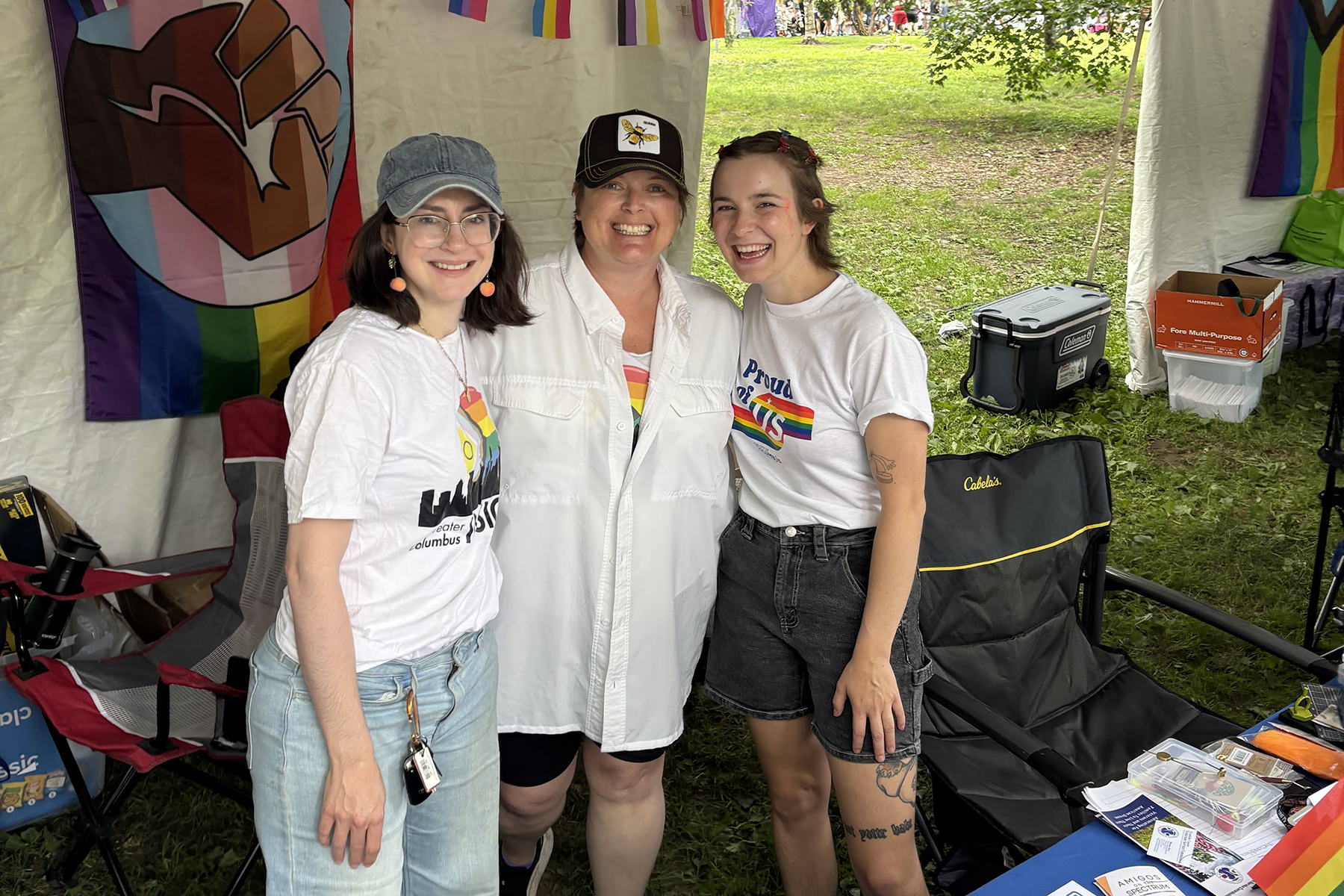
Beyond contributing to LGBTQ+ health efforts, the researchers are proud to have created a space that has allowed dozens of College of Public Health students the opportunity for hands-on research experience.
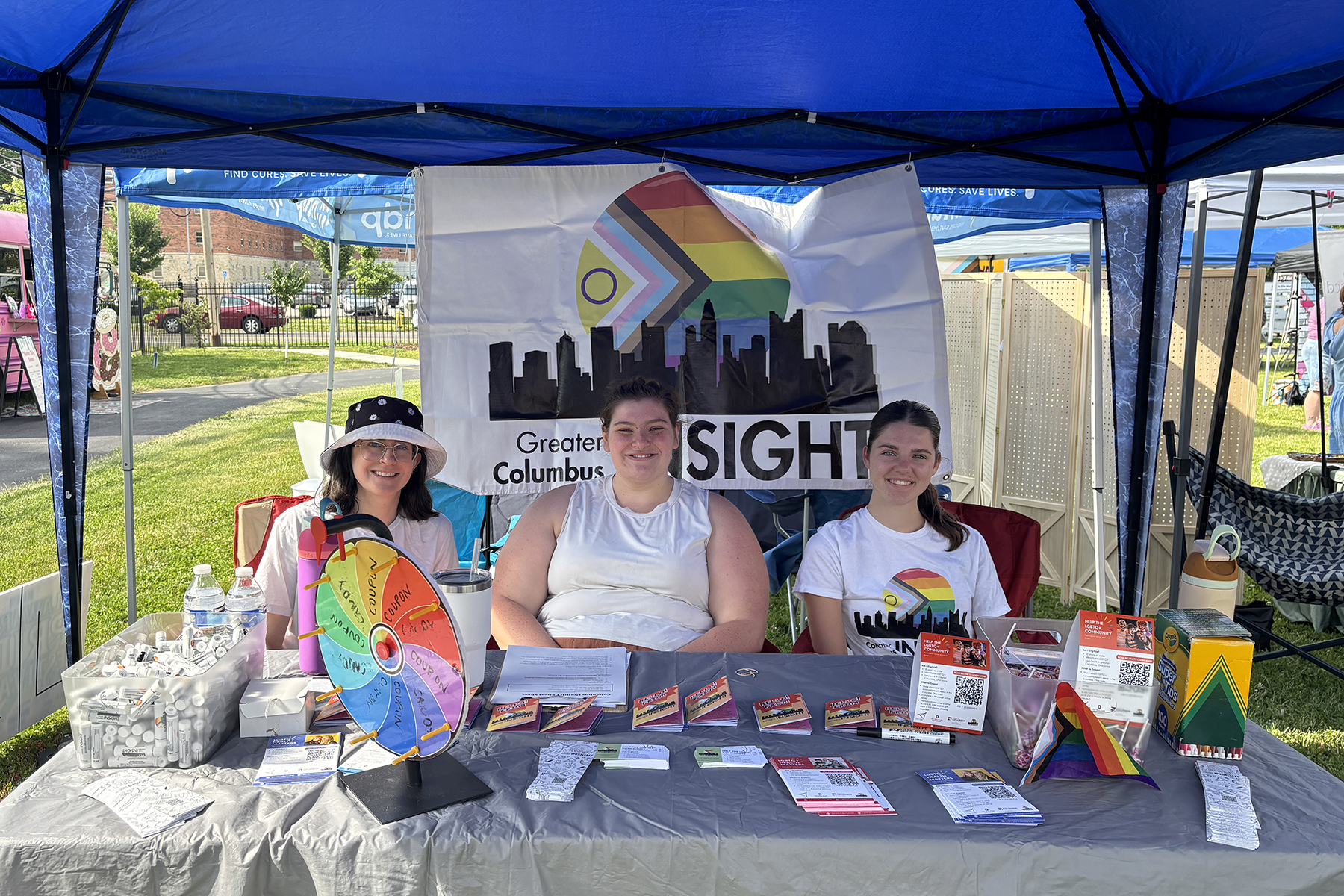
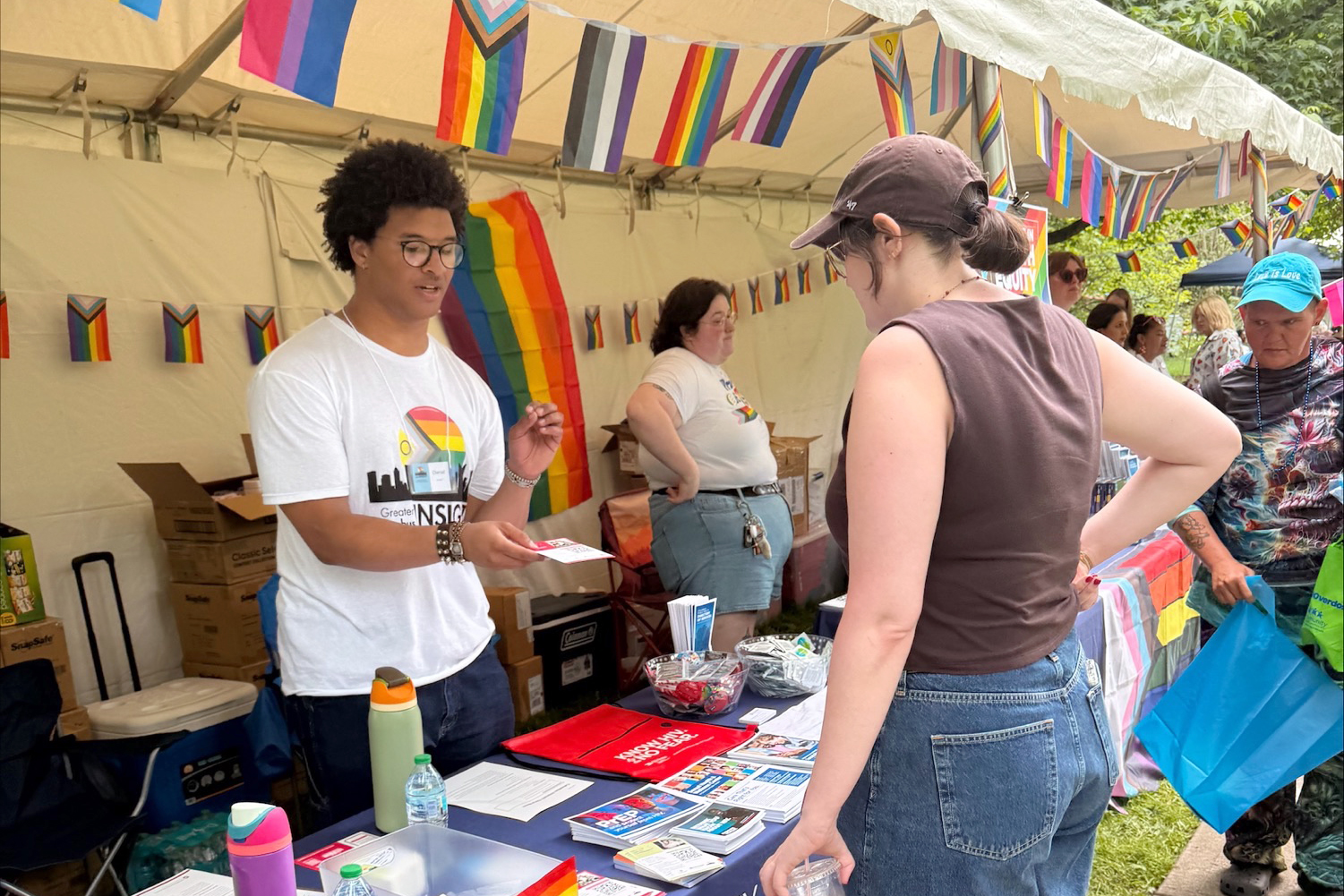
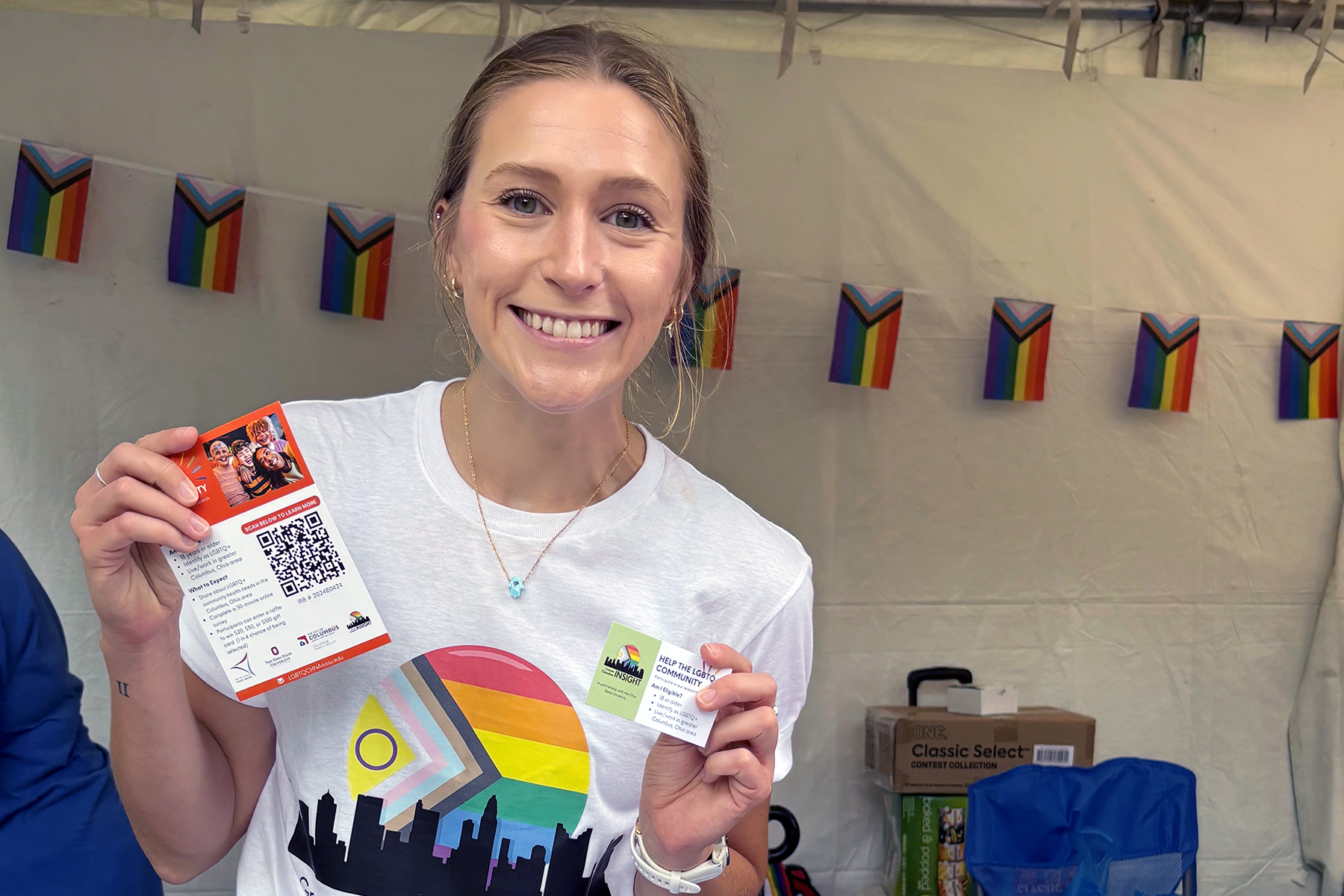
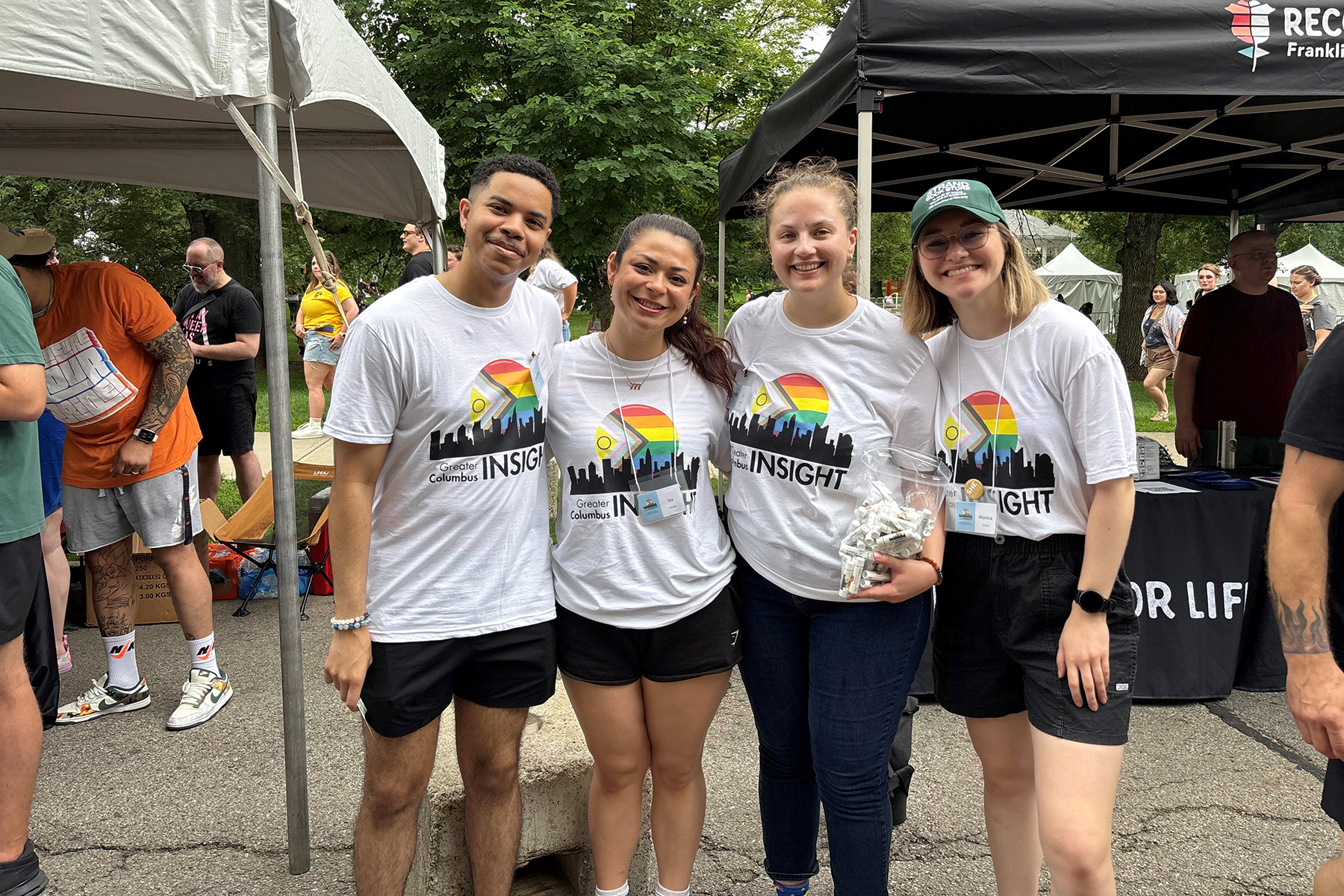
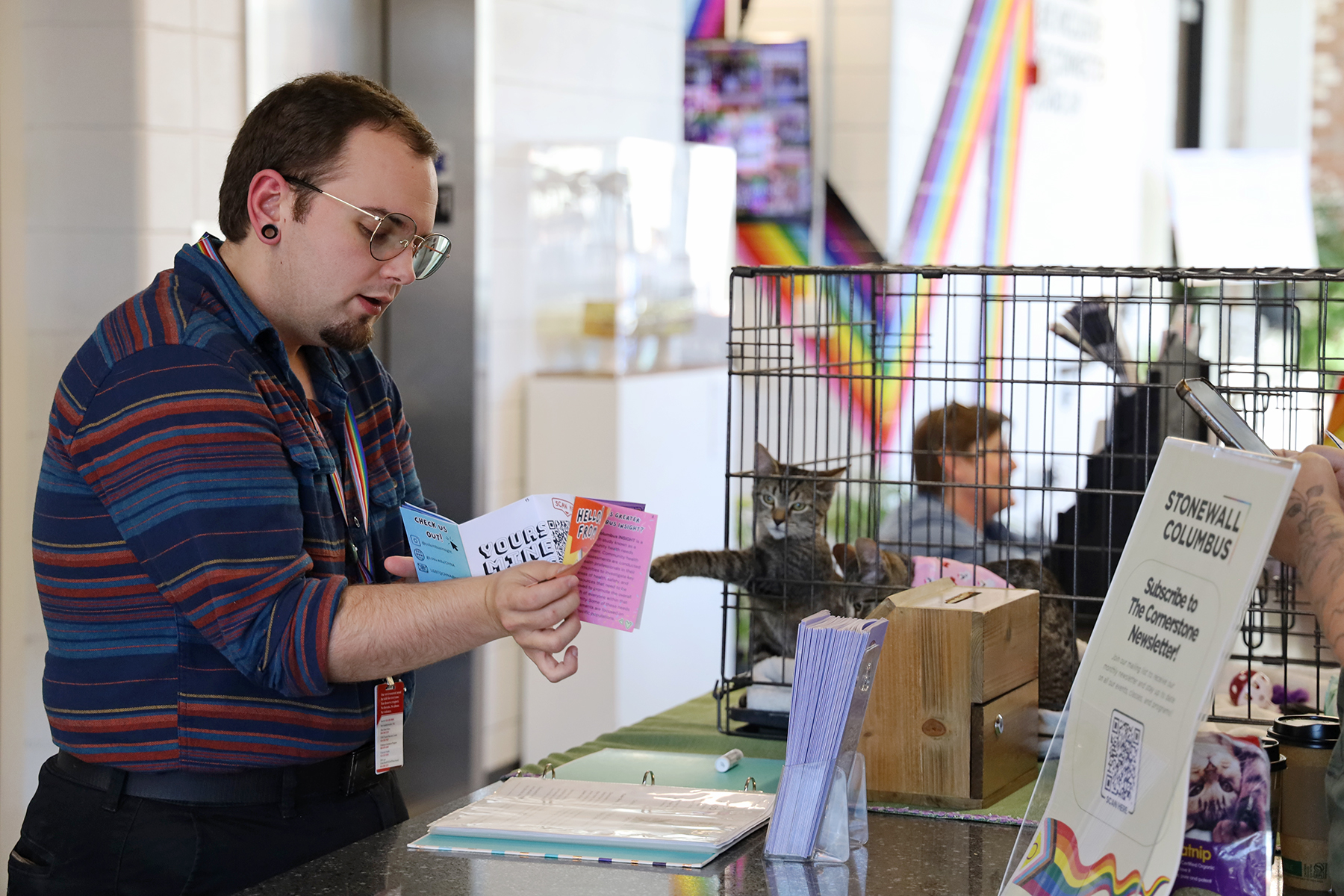
Since 2023, 28 students have worked on the project, leading focus groups, recruiting participants at more than 70 events and applying lessons from the classroom to real-world public health work.
“This project would not be possible without all the students and trainees who have been part of it,” Patterson said. “It’s been amazing to see their growth.”