Public health research
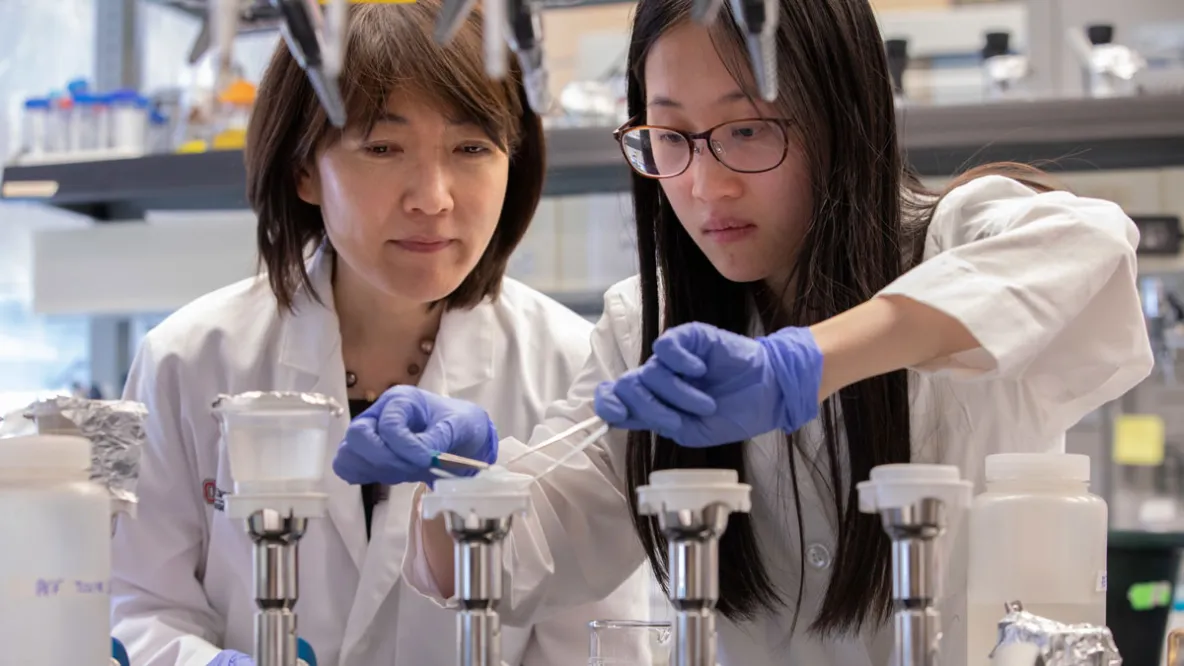
College of Public Health researchers are dedicated to investigating the most important health challenges of today and enhancing the health and well-being of Ohioans and people throughout the world.
As part of one of America’s leading public research institutions on a campus including seven health sciences colleges, our experts are dismantling disparities, championing environments that allow all people to thrive and finding the best tools to prevent disease and support long, healthy lives.
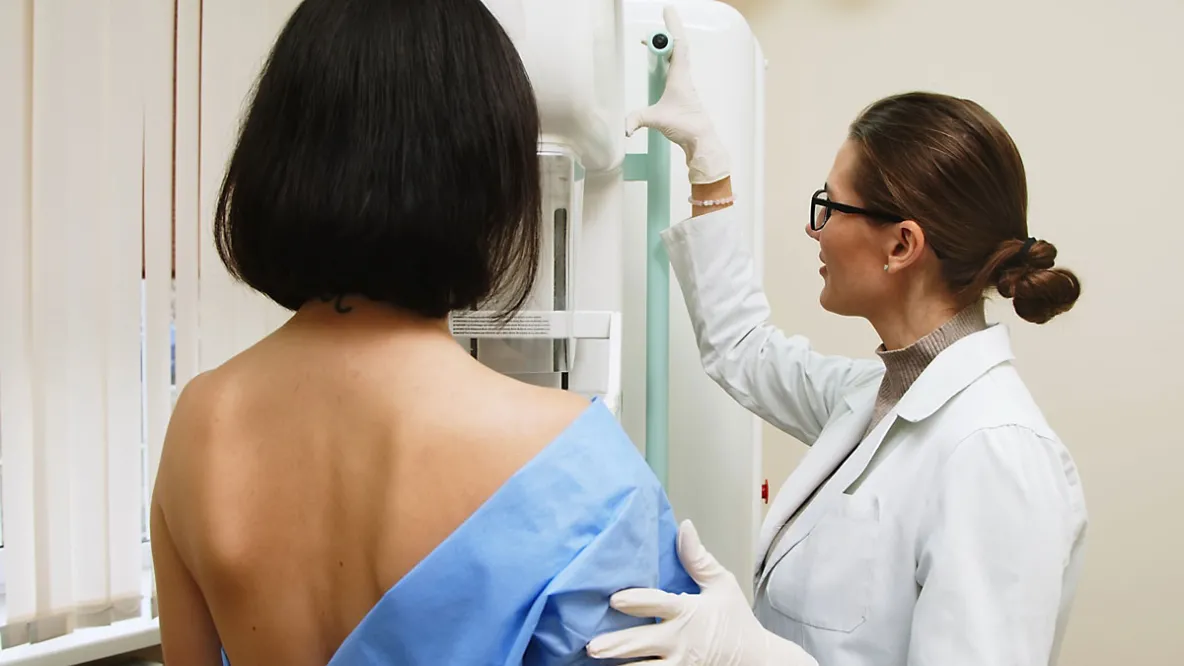
From reducing harm from tobacco and vaping to increasing access to screenings that lead to speedy identification and treatment for cancer, our researchers are national leaders in tackling today’s greatest public health challenges.


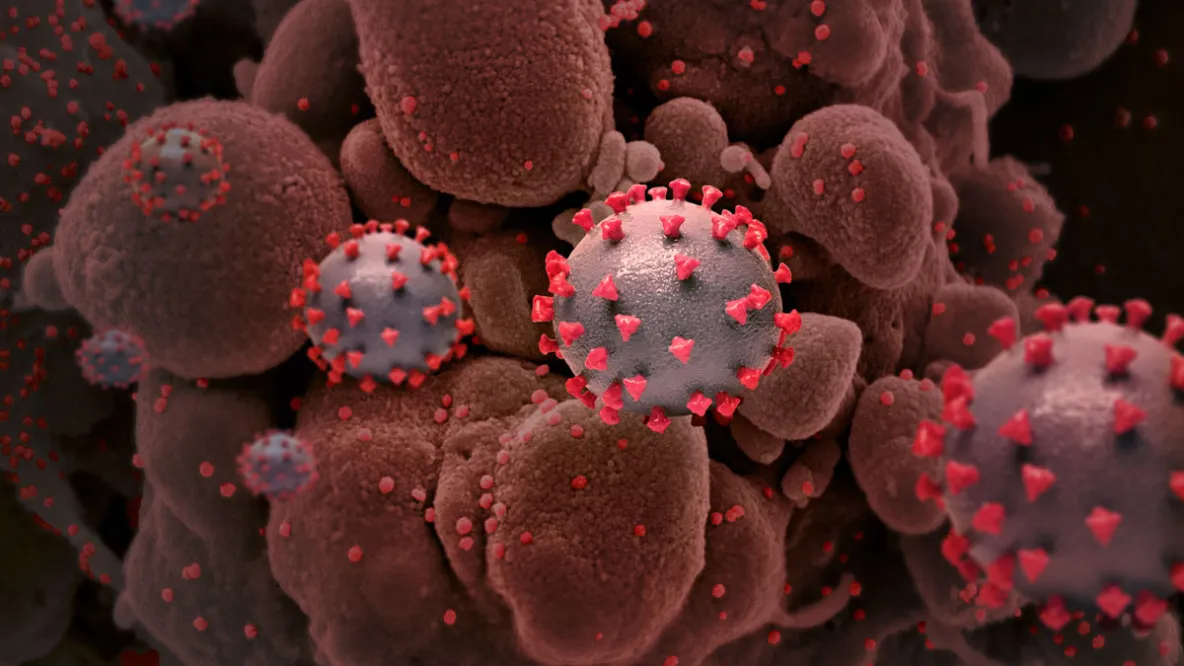
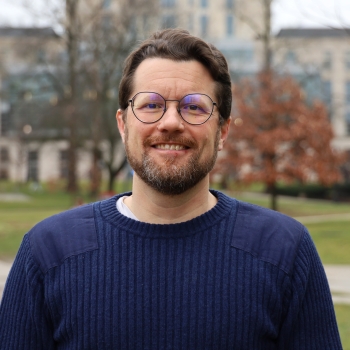
“During my childhood, the HIV/AIDS pandemic began its terrible march across continents, bringing with it the lesson that infectious diseases remain extremely dangerous and unpredictable. Working as a biostatistician specializing in infectious disease epidemiology is rewarding both for its mathematical challenges and for its potential impact on public health. I love teaching epidemiologic and statistical methods because clear, rigorous public health research saves lives.”

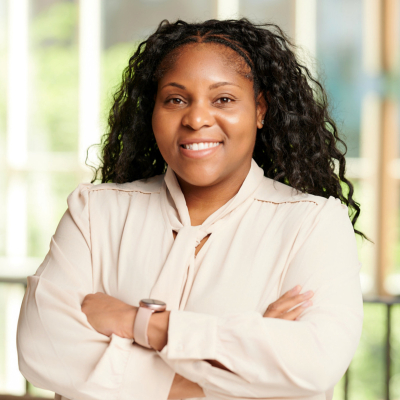
Scientist: Aldenise Ewing, assistant professor of Epidemiology
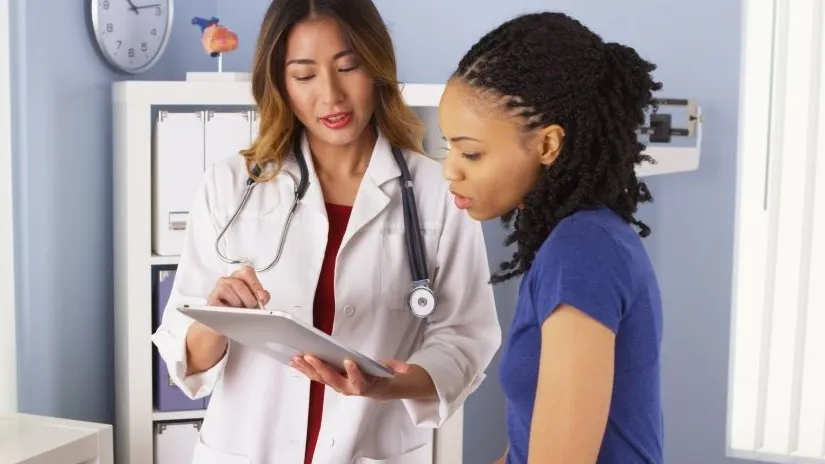
Study’s aim: We wanted to know whether social needs such as food insecurity, housing instability and transportation challenges were associated with whether U.S. adults are having recommended colorectal cancer screenings.
Key finding: Adults experiencing challenges with one or more health-related social needs were less likely to receive screening compared with those without these needs. These findings highlight how patients facing competing demands may be less able to prioritize preventive care, such as colonoscopies.
How could this advance your field? This work underscores the importance of integrating social risk screening and support services into cancer prevention strategies. By identifying and addressing barriers, health systems and public health programs could improve access to colorectal cancer screening and detect cancers earlier, particularly among those who experience disproportionate obstacles to preventive care.
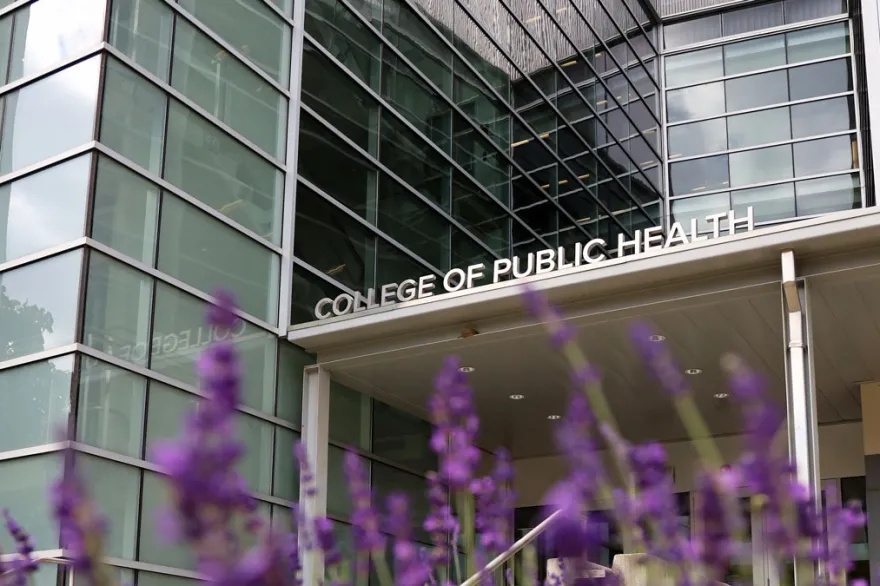
The Office of Research supports the research needs of faculty and staff, including grants and contracts management, to help elevate the research practices in the College of Public Health.