Public Health Buckeyes: Gulan Pari
MS student strives to empower women, girls in Pakistan
By Kristen Mitchell
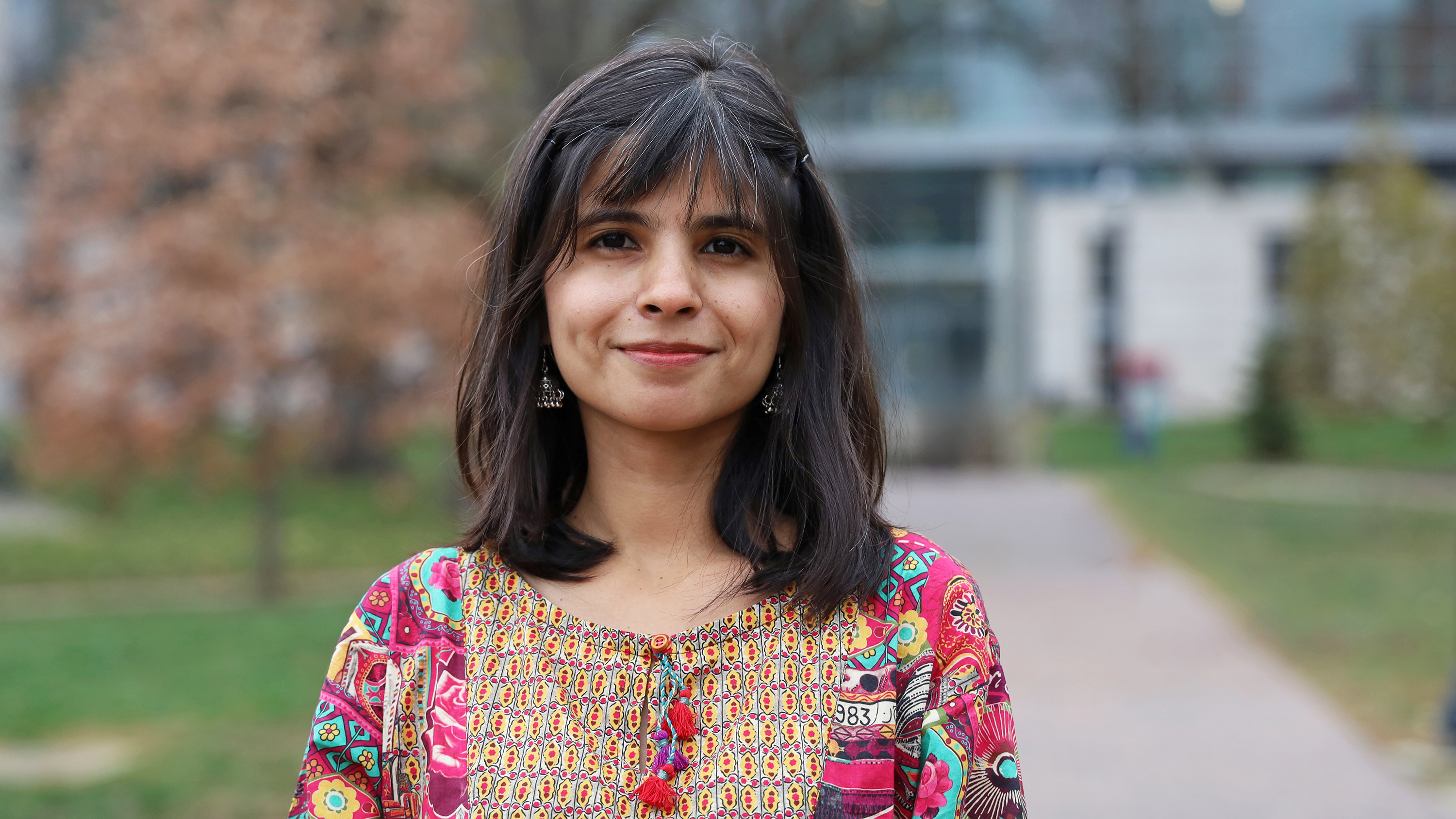
As a Master of Science in Epidemiology student, Gulan Pari is building analytical skills to help her make meaningful contributions to the well-being women and girls. Her drive to understand populations, identify disparities and use evidence to improve public health programs inspired her decision to come to Ohio State.
Gulan shares how her work in Pakistan grounds her public health passion, and how the community she’s found at the College of Public keeps her connected to what matters most.
Question:
What public health topics are you most passionate about?
I am deeply passionate about sexual and reproductive health. My interests lie in analytical epidemiologic research that examines how environmental exposures influence reproductive health outcomes while integrating the roles of social determinants, nutrition and broader environmental factors. I am particularly focused on understanding how these intersecting exposures contribute to inequities in reproductive, maternal and child health. This work feels meaningful because it brings together my commitments to health equity, data-driven research and community-centered solutions.
Question:
Can you tell us about your work with the Healthy Earth Development Organization, a community organization you helped start in Pakistan?
Co-founding the Healthy Earth Development Organization (HEDO) has been a highlight of my public health journey. Growing up in Pakistan, I witnessed how climate change, poverty and limited sexual and reproductive health resources burdened women and girls. HEDO was created to empower women and address issues often overlooked, including menstrual health during climate crises.
I received four small grants for sexual and reproductive health projects. Through community development, dignity kit distributions and menstrual health education drives, I’ve seen grassroots work transform knowledge and build resilience. I am proud to have led health and environmental projects in more than 15 underserved, marginalized and climate-affected communities across Pakistan. This work continually reminds me of the purpose that drew me to public health.
Question:
What do you enjoy most about being a CPH student?
The best part of being a CPH student is the strong sense of support and belonging. The faculty are not only encouraging but truly invested in our growth, and I have found a vibrant, diverse community of peers who share my passion for public health. Even when the academic demands feel intense, I know I am not alone — there is always someone to turn to, whether I am facing new challenges or celebrating small victories. I am especially grateful for my advisor and mentor, Assistant Professor Robert Hood, whose guidance has left a lasting mark on my journey.
Question:
What are your goals for the future?
After completing my master’s degree, I intend to pursue a PhD in epidemiology. In the long term, I aim to work as an epidemiologist specializing in reproductive, maternal and environmental health. I aspire to collaborate with public health organizations and contribute to research that addresses health disparities in underserved communities, and I plan to continue expanding the Healthy Earth Development Organization to enhance its impact on women’s health and climate resilience. Ultimately, I hope that my academic and community work will advance equity and improve health outcomes for vulnerable populations.
Question:
What advice do you have for prospective graduate students?
My advice to future graduate students: stay curious, ask questions and seek support early. Graduate school can be overwhelming, but connecting with faculty, mentors and peers helps. You should never hesitate to reach out — you might meet some amazing people.
One more thing: give yourself grace and take breaks. Sometimes you may want to join many activities, which can leave you feeling overwhelmed. It’s okay to take a step back — you’ll find more opportunities later, even if you miss something now. Growth isn’t always a straight path, but with persistence and the right support, you’ll find your way.
About The Ohio State University College of Public Health
The Ohio State University College of Public Health is a leader in educating students, creating new knowledge through research, and improving the livelihoods and well-being of people in Ohio and beyond. The College's divisions include biostatistics, environmental health sciences, epidemiology, health behavior and health promotion, and health services management and policy. It is ranked first in Ohio, and 26th among all colleges and programs of public health in the nation by U.S. News and World Report. Its specialty programs are also considered among the best in the country. The MHA program is ranked 5th, the epidemiology specialty is ranked 21st, the health policy and management specialty is ranked 22nd and the biostatistics specialty is ranked 23rd.