Public Health Buckeyes: Hannah Welch
MPH student advocates for insulin affordability, access to healthcare
By Kristen Mitchell
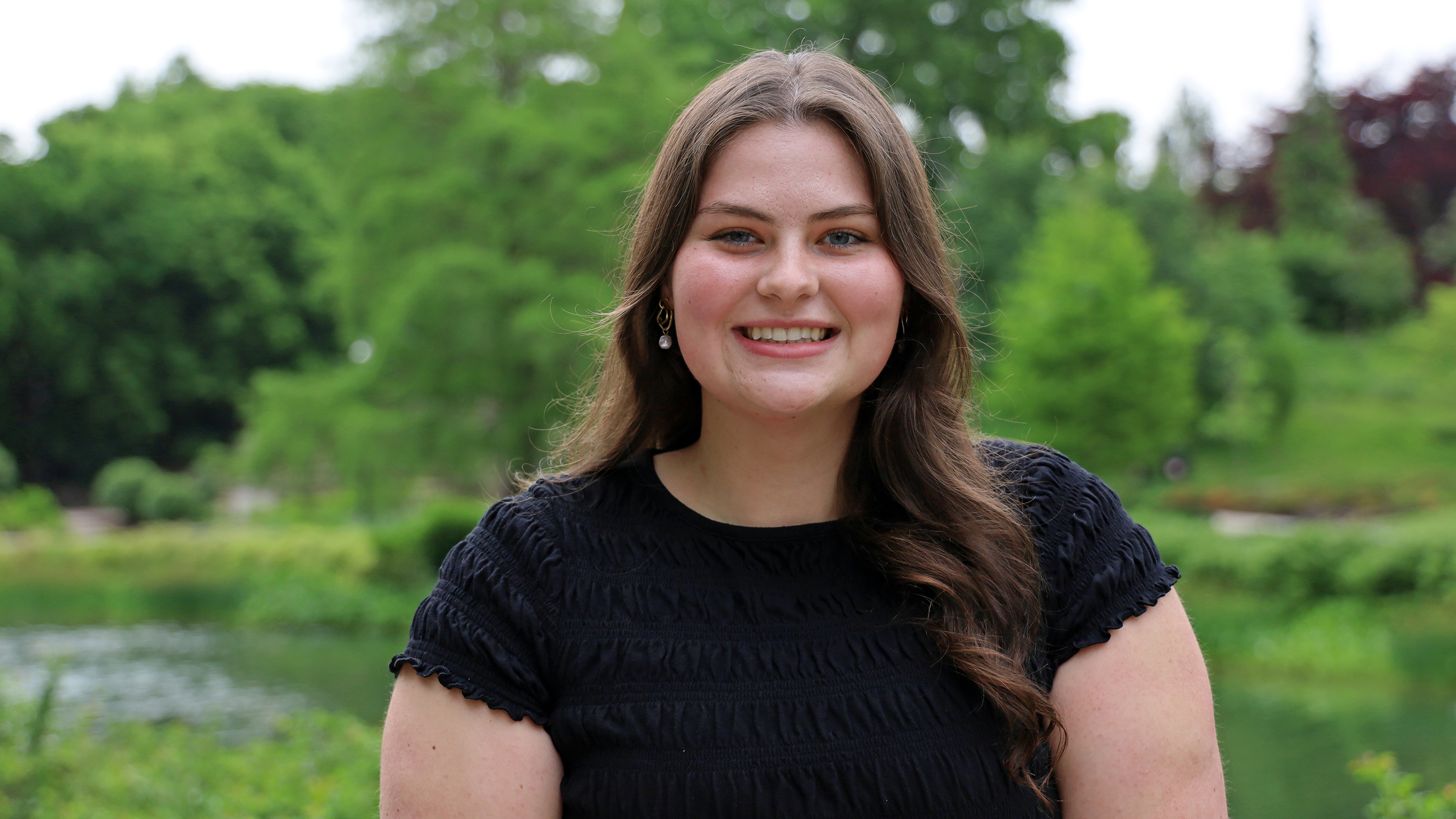
Growing up with Type 1 diabetes often left Hannah Welch ’25 BSPH feeling isolated from her peers. As an MPH student specializing in health behavior and health promotion, she’s turning those early challenges into purpose.
Welch shares how her public health education encouraged her to step outside her comfort zone to advocate for affordable and equitable healthcare.
Question:
What inspired your passion for public health?
Living with Type 1 diabetes for over 10 years has strongly influenced my interest in public health. Type 1 diabetes is a chronic autoimmune disease in which the body’s immune system mistakenly attacks and destroys the insulin-producing cells in the pancreas, requiring lifelong insulin and blood sugar management.
Managing diabetes from a young age showed me that health is impacted by much more than medical care alone. As I got older, I became more aware of the larger systems that affect people living with chronic illness, including insurance coverage, affordability, access, education and social support. Public health has allowed me to combine my personal experiences with my goal of improving the lives of others living with Type 1 diabetes.
Question:
You traveled to Washington, D.C. to advocate for health care access and affordability. What did you learn from that experience?
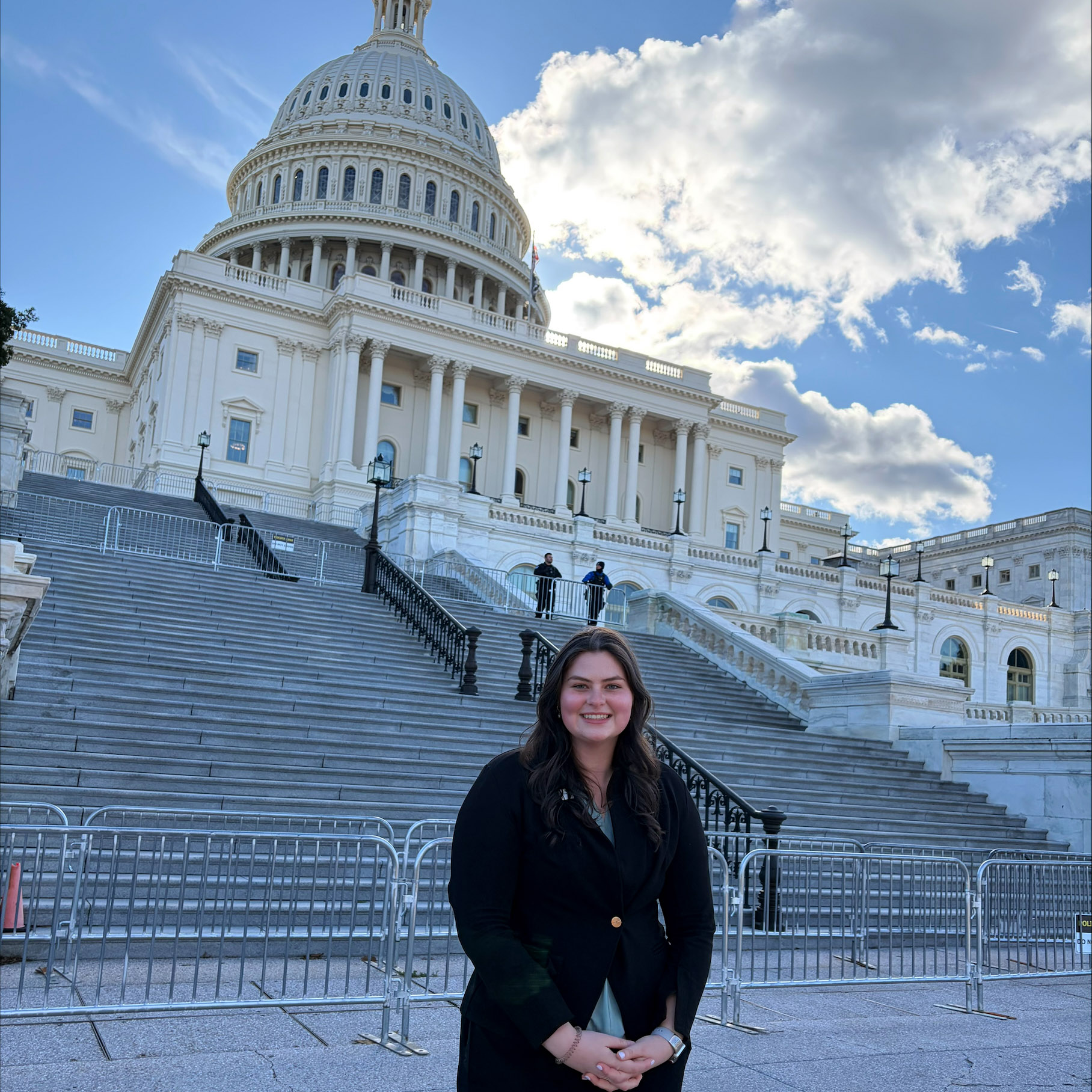
Traveling to Capitol Hill with Breakthrough T1D’s Young Adult Advocacy Council was one of the most impactful experiences of my academic career. During my visits, I had the opportunity to meet with congressional staff to discuss insulin affordability, access to care and diabetes research. This experience taught me how important it is for policymakers to hear directly from people affected by healthcare policies.
Question:
How has your public health education prepared you to be an advocate?
My public health education has given me a stronger understanding of how healthcare systems, policy and social determinants of health affect our everyday lives. Through my coursework and Applied Practice Experience with Breakthrough T1D, I have been able to connect what I learn in the classroom to real-world public health work.
It has also pushed me to step outside of my comfort zone through volunteering, public speaking and advocacy. These opportunities have helped me build confidence in sharing my perspective, communicating effectively and advocating for issues I am passionate about.
Question:
What do you enjoy most about being a CPH student?
I enjoy the supportive environment and the opportunities to learn about different areas of public health. I like the smaller class sizes because they make it easier to get to know classmates and professors, ask questions and have meaningful discussions. I’ve also enjoyed having guest speakers in our classes because it allows us to learn from professionals working in different areas of public health. It’s interesting to see the variety of career paths the field can offer.
Question:
What are your goals for the future?
After graduation, my goal is to work in the diabetes space, focusing on improving health outcomes for people living with diabetes. I am also considering continuing my education to become a certified diabetes care and education specialist.
Question:
What advice do you have for prospective MPH students?
My advice for prospective MPH students is to take advantage of every opportunity to get involved early on, whether that’s through classes, organizations or volunteer work. Don’t be afraid to ask questions or go outside your comfort zone, because that’s where the learning and growth happen!
About The Ohio State University College of Public Health
The Ohio State University College of Public Health is a leader in educating students, creating new knowledge through research, and improving the livelihoods and well-being of people in Ohio and beyond. The College's divisions include biostatistics, environmental health sciences, epidemiology, health behavior and health promotion, and health services management and policy. It is ranked first in Ohio, and 26th among all colleges and programs of public health in the nation by U.S. News and World Report. Its specialty programs are also considered among the best in the country. The MHA program is ranked 5th, the epidemiology specialty is ranked 21st, the health policy and management specialty is ranked 22nd and the biostatistics specialty is ranked 23rd.