‘Changing the Conversation’ explores realities of abortion care access
Diana Greene Foster shares research on experiences of people seeking abortion care
By Kristen Mitchell
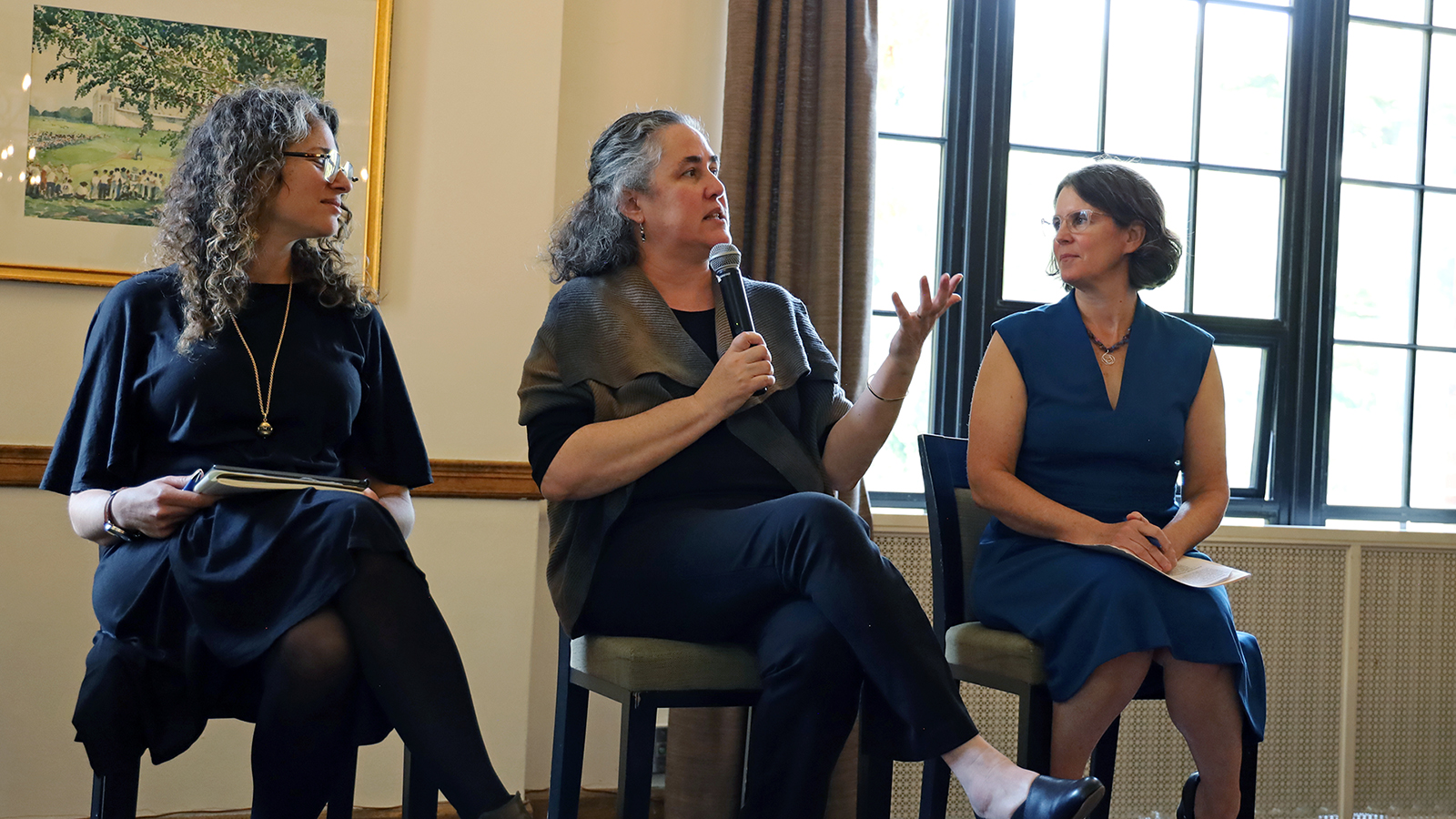
In the four years since the United States Supreme Court eliminated the constitutional right to an abortion with Dobbs v. Jackson Women’s Health Organization, public health researchers have been trying to better understand: What happens when abortion care is within reach, and what happens what happens when it isn’t?
“Abortion bans have had effects that weren’t predicted by the people who passed those bans,” said Diana Greene Foster, a University of California, San Francisco professor who studies the causes and consequences of unwanted pregnancy. Foster spoke at the College of Public Health’s “Changing the Conversation” lecture in October.
“Most people who are in favor of abortion restrictions aren’t thinking about how it will affect people who have wanted pregnancies,” Foster said. “They also don’t think about how complicated pregnancy is and that things can go wrong where abortion is the right treatment to save someone’s life or protect their health.”
Understanding the realities of abortion access requires looking beyond the debate to the evidence and experiences of those seeking care. Since 2022 Foster has led the “End of Roe Study,” exploring how the Dobbs ruling that overturned federal protections granted in Roe v. Wade has played out in states with bans and severe restrictions.
They found:
- The fraction of people having an abortion in the second trimester has doubled, from 8% to 17% of all abortions under Dobbs.
- Of 855 respondents from 14 states with total abortion bans, 81% of people traveled to another state to access abortion care.
- Travel costs increased for those who had to leave the state, but procedure costs were lower due to what Foster called “rage donations” from pro-choice supporters.
- A significant increase in the use of abortion medication received through the mail.
- More people have tried to end their pregnancies without abortion.
The number of abortions in the United States since Dobbs is on the rise, according to data recorded by the Society of Family Planning’s #WeCount study, co-chaired by CPH Professor Alison Norris. However, that doesn’t mean everyone who wants an abortion is able to access care, Foster said.
Foster is a 2023 MacArthur Fellow and author of the 2020 book “The Turnaway Study: Ten Years, a Thousand Women and the Consequences of Having – or Being Denied – an Abortion” based on her landmark research.
The Turnaway Study looked at the experiences of women who received an abortion close to the clinic’s gestational limit and those who were just beyond the limit and denied. People denied abortions are more likely to live below the poverty level, experience chronic pain and less likely to make aspirational plans for their lives, Foster said.
“People should get to live the lives they want to lead, and the fact that we can see the difference in how they want their lives to turn out is extremely important,” Foster said.
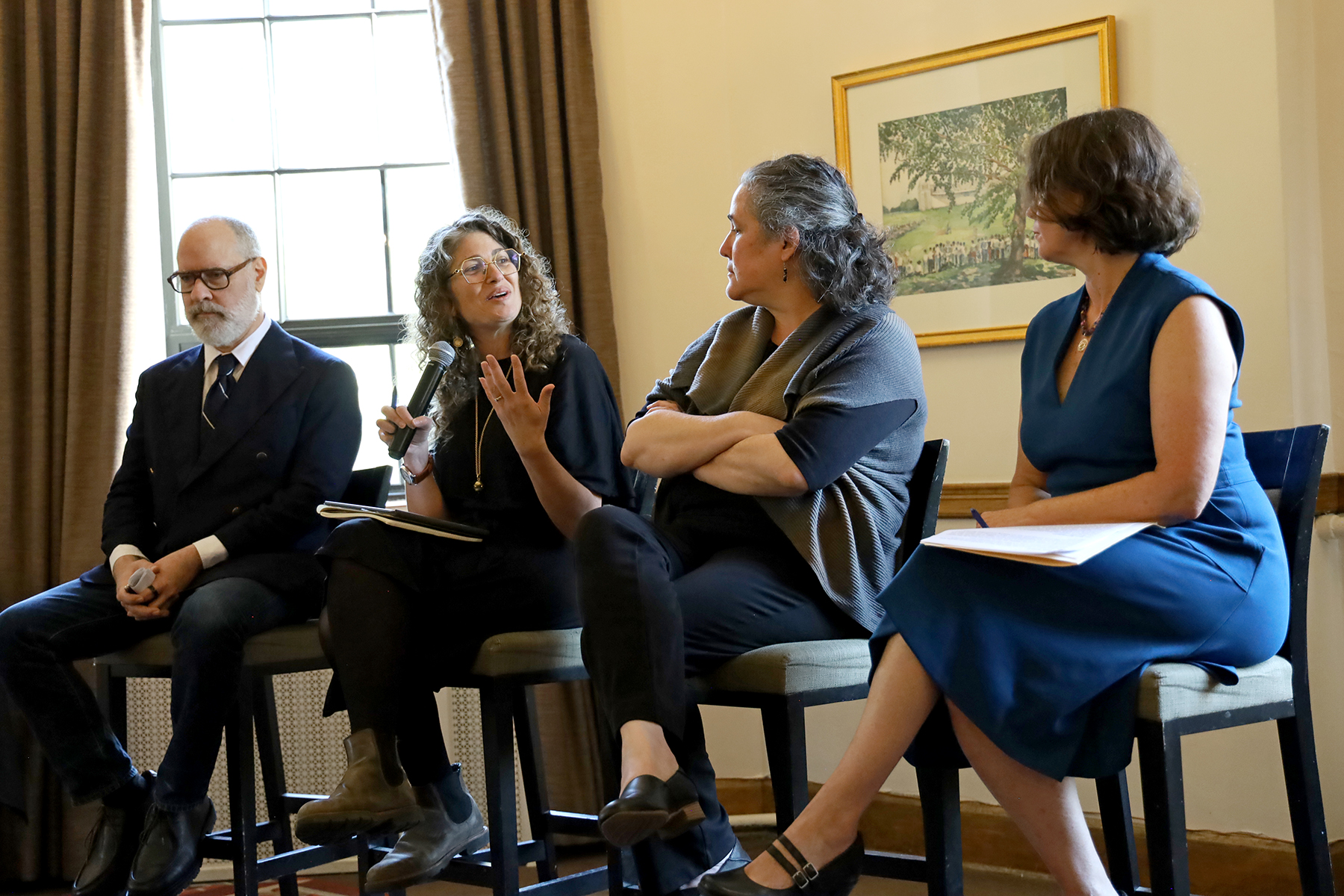
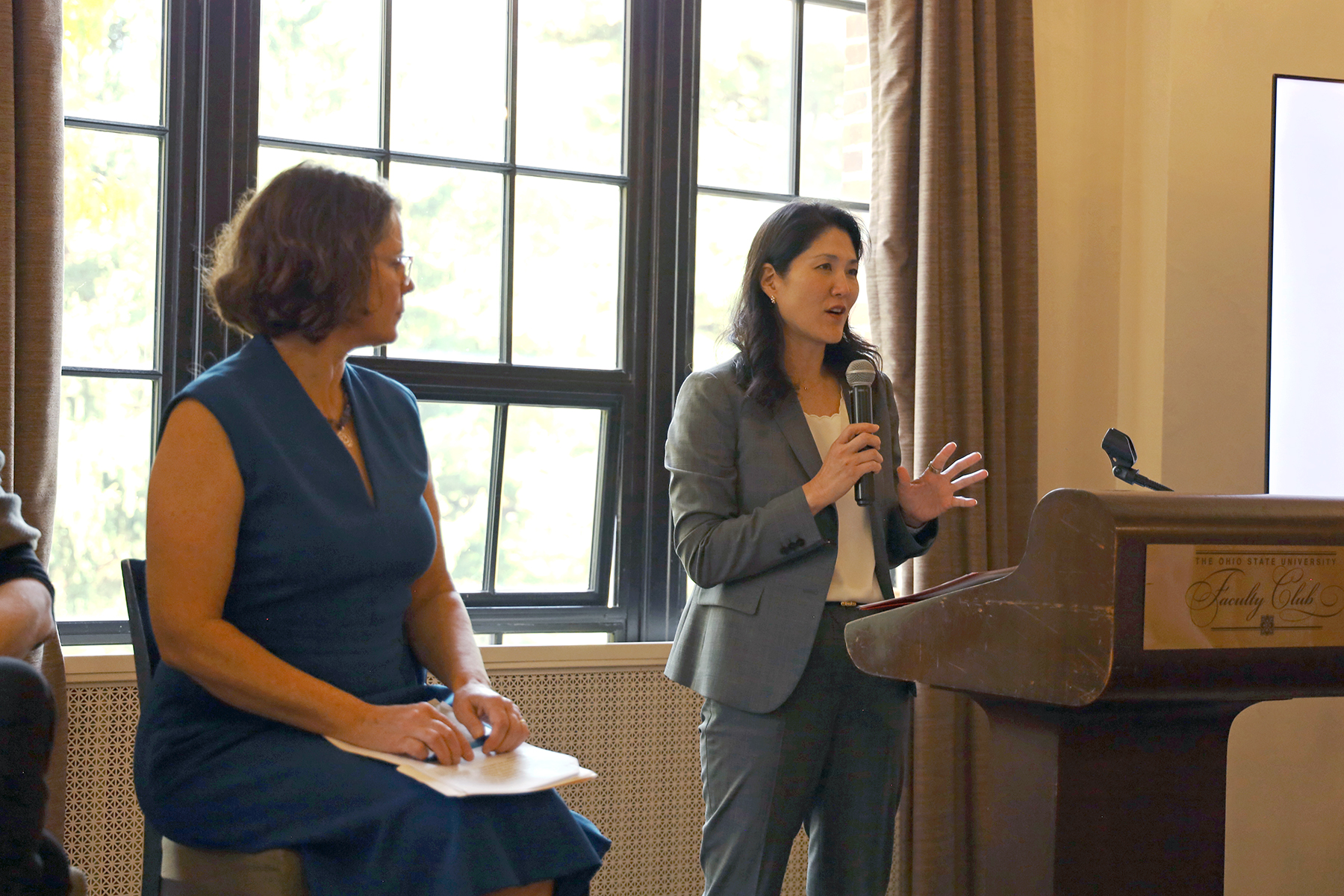
Following her talk, Foster was joined by Assistant Professor Dana Howard from The Ohio State University Center for Bioethics in the College of Medicine and in the Department of Philosophy in the College of Arts and Sciences, and Marc Spindelman, the Heck-Faust Memorial Chair in Constitutional Law at the Moritz College of Law. Norris, who co-leads a collaborative research program called the Ohio Policy Evaluation Network, moderated the conversation.
Interested in supporting reproductive health research at Ohio State? Donations made to the Keller Fund for Reproductive Health and Equity will be matched up to $10,000 through Dec. 31.
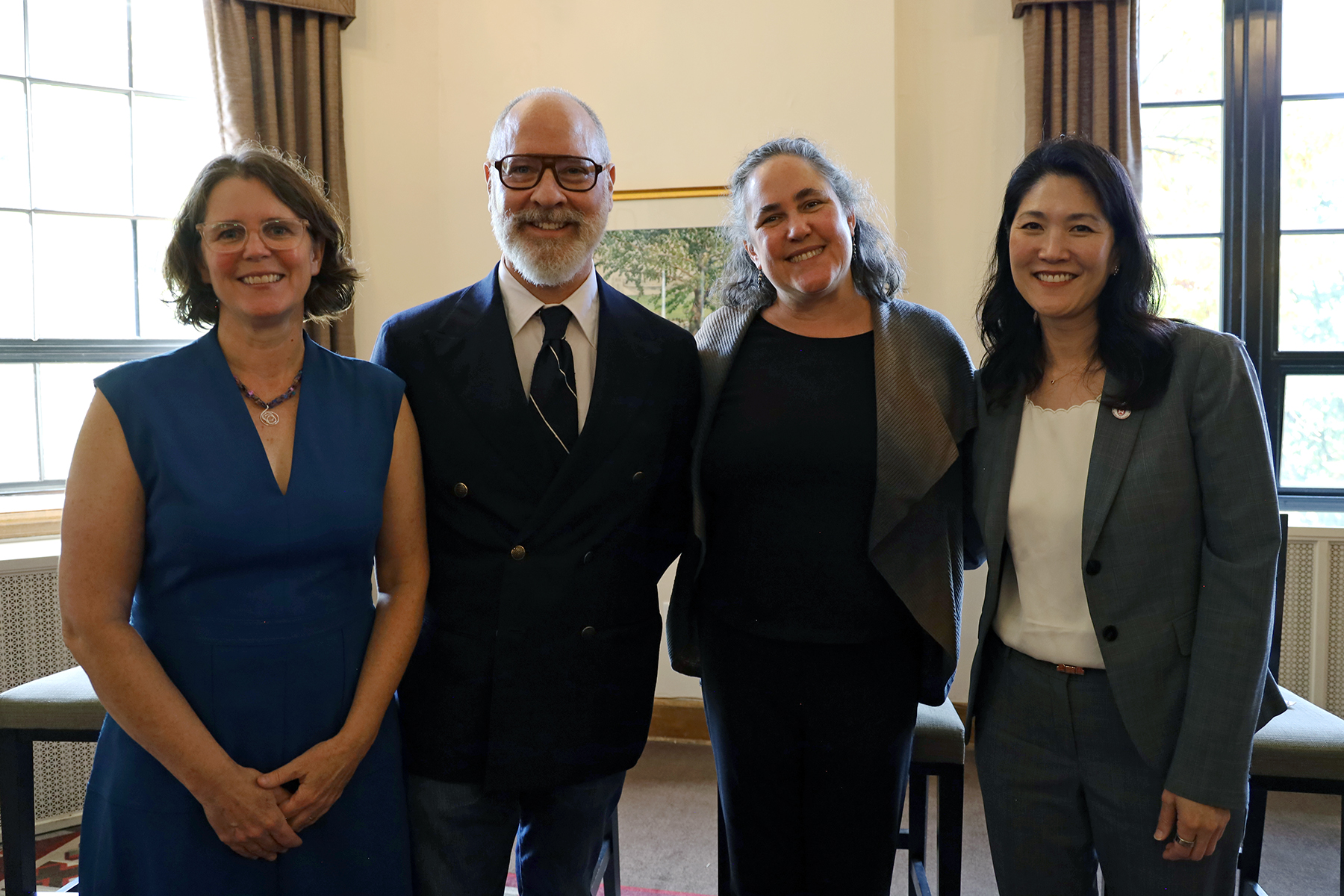
Marc Spindelman, Professor Diana Greene Foster and Dean Paula Song pose for a photo following the event.
About The Ohio State University College of Public Health
The Ohio State University College of Public Health is a leader in educating students, creating new knowledge through research, and improving the livelihoods and well-being of people in Ohio and beyond. The College's divisions include biostatistics, environmental health sciences, epidemiology, health behavior and health promotion, and health services management and policy. It is ranked first in Ohio, and 26th among all colleges and programs of public health in the nation by U.S. News and World Report. Its specialty programs are also considered among the best in the country. The MHA program is ranked 5th, the epidemiology specialty is ranked 21st, the health policy and management specialty is ranked 22nd and the biostatistics specialty is ranked 23rd.