Public Health Buckeyes: Kassandra Brooks
Epidemiology student seeks to understand, prevent disease outbreaks
By Kristen Mitchell
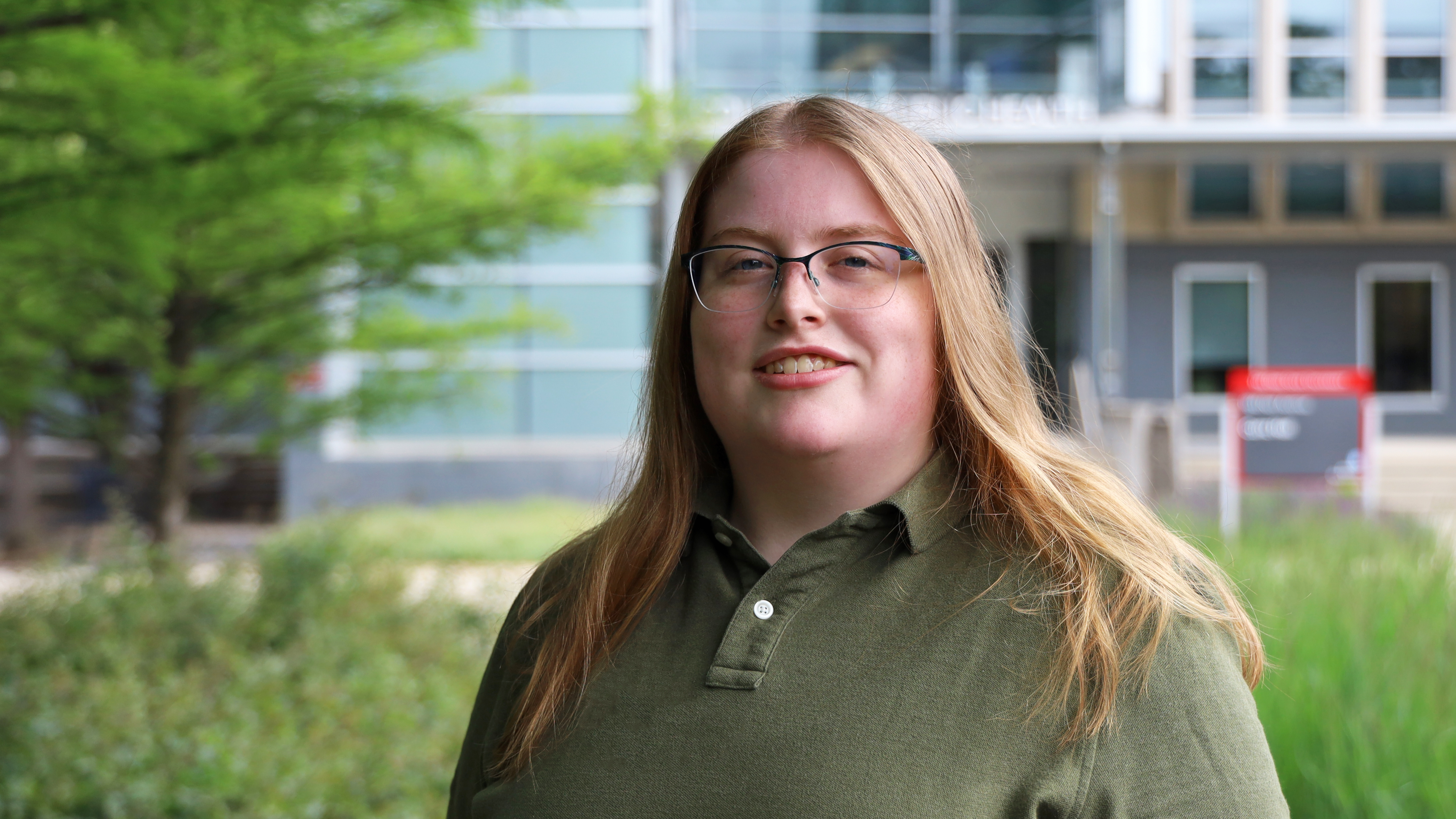
Kassandra Brooks, a Master of Public Health student specializing in epidemiology, shares how her classroom and internship experiences at Ohio State have fueled her passion for investigating disease outbreaks and eliminating threats to community health.
Question:
What inspired your interest in public health?
I have always been interested in science and medicine, especially infectious diseases. In undergrad I majored in microbiology and planned on later getting a PhD to work as a microbiology researcher. As I continued in my degree, I realized I was not very interested in laboratory work, and I felt lost as to what to do with my degree after graduating.
I ended up shadowing an epidemiologist at my county’s health department during my senior year and realized public health was the field I was looking for, particularly epidemiology. This is because it allows me to study infectious diseases at a broader level, while improving the health of an entire community in the process.
Question:
What public health topics are you most passionate about?
I’m most passionate about infectious disease epidemiology, particularly investigating disease outbreaks and pandemic preparedness. My favorite class in undergrad was about tropical disease biology, and from that I learned a lot about neglected tropical diseases and Global One Health and have become passionate about these topics as well.
With climate change and increasing globalization, I believe tropical diseases will become more common in the U.S. It’s important to understand how to identify them, how they spread and ultimately how we can globally eliminate these diseases.
Question:
You interned at the Wexner Medical Center’s Department of Clinical Epidemiology. What did you take away from that experience?
It gave me a good understanding of the infection preventionist role and how the field of public health can work closely with medicine to improve community health.
Before my internship, I did not know a lot about hospital epidemiology and infection prevention. Now I see how much infection preventionists do behind the scenes to keep patients, staff and visitors safe. I saw how medical and public health experts can work together to improve health, and it opened my eyes to potential career options beyond working for health departments or academic institutions.
Question:
What do you enjoy most about being a CPH student?
I have really enjoyed how the size of the college creates a small school feel with the resources of a large institution. I like that my class sizes are small, so I am able to easily connect with my peers and professors. I was a bit nervous before starting my MPH that it would be hard to make connections at such a large school, so I have appreciated that CPH is small enough that I feel like I am part of a close community.
Question:
What are your goals for the future?
I want to work as an infectious disease epidemiologist for a state or local health agency, or, thanks to my internship at the Wexner Medical Center, work as an infection preventionist.
I am open to exploring other career opportunities as well. My experience at CPH has taught me that the field of public health is so broad and there may be other career pathways I have not even thought of that I would enjoy.
Question:
What advice do you have for prospective MPH students?
Get to know the people in your cohort! My classes have been challenging at times, so it has been very helpful to have a group of people to bounce ideas off of and work together to solve problems.
Everyone also comes into their MPH with different backgrounds and experiences, so I have learned so much about public health just from having conversations outside of class about what we’ve been learning about.
About The Ohio State University College of Public Health
The Ohio State University College of Public Health is a leader in educating students, creating new knowledge through research, and improving the livelihoods and well-being of people in Ohio and beyond. The College's divisions include biostatistics, environmental health sciences, epidemiology, health behavior and health promotion, and health services management and policy. It is ranked first in Ohio, and 26th among all colleges and programs of public health in the nation by U.S. News and World Report. Its specialty programs are also considered among the best in the country. The MHA program is ranked 5th, the epidemiology specialty is ranked 21st, the health policy and management specialty is ranked 22nd and the biostatistics specialty is ranked 23rd.